

The Elephant in the Room (Let’s Talk About It)
Let’s be honest: no one warns you about the “Keto Stop.” You started this journey for the mental clarity and the weight loss, but three weeks in, you feel heavy, sluggish, and, to put it bluntly, plugged up.
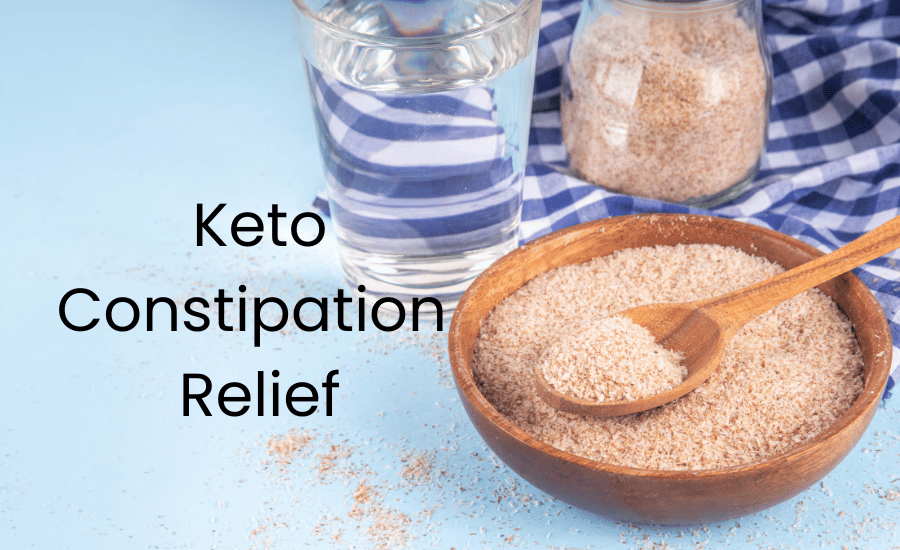
This keto constipation relief is the guide you need to fix keto stop.
This post may contain affiliate links, I may earn a small commission at no extra cost to you.
If you’ve traded your energy for bloating and digestive discomfort, you haven’t failed the diet. But your diet might be failing your gut microbiome. Most people think keto is just about cutting carbs, but when you remove grains and fruit, you often remove the “broom” that keeps your digestive system clean.
Feeling bloated on keto is incredibly common, especially if you followed “traditional” keto advice that focuses on fat and protein but ignores digestive health. The good news? This is fixable. And you don’t need to quit keto, force laxatives, or suffer in silence.
This guide will walk you through science-backed keto constipation relief, explain why it happens, and show you exactly how to get things moving again, comfortably and sustainably.
Why “Traditional” Keto Causes Digestive Issues
Let’s clear something up: keto constipation is not about eating too much cheese or not drinking coffee. It’s about balance, or rather, the lack of it.
The Fat/Fiber Imbalance
On keto, fat intake goes up dramatically. That’s expected. Fat is calorie-dense, slows gastric emptying, and keeps blood sugar stable.
But here’s the problem:
Fat slows digestion. Fiber provides bulk and movement.
When fat goes up and fiber drops (which happens when you remove grains, beans, and fruit without replacing them), digestion can literally stall.
Think of it like traffic:
- Fat = slower speed
- Fiber = lane capacity
Remove the lanes, slow the cars, and congestion is inevitable.
This is why many people feel:
- Heavy and bloated
- “Full” but uncomfortable
- Backed up despite eating enough calories
The Butyrate Connection (The Missing Piece)
Fiber does more than help things move. Certain fibers feed your gut bacteria, which then produce butyrate, a short-chain fatty acid that:
- Keeps the colon lining healthy
- Supports regular bowel movements
- Reduces gut inflammation
- Improves insulin sensitivity
When fiber intake drops too low, butyrate production drops, and your colon loses one of its primary energy sources.
This is a major reason keto gut health can suffer if fiber isn’t intentionally included.
By focusing on “Fiber-Maxing,” we aren’t just adding bulk; we are feeding the “security detail” of your immune system (70% of which lives in your gut) and keeping your metabolic engine humming.
The 3-Step “Fiber-Maxing” Fix
This approach focuses on gentle, keto-friendly solutions that work with your gut instead of forcing it.
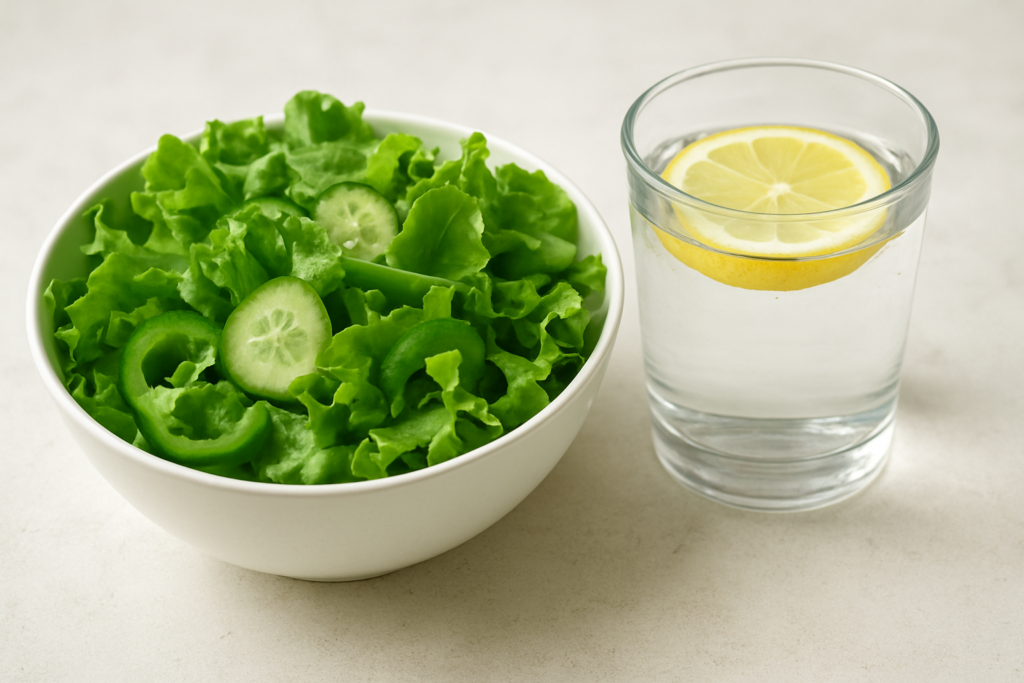
Step 1: The First Liter (Hydration Comes First)
Before fiber works, water and electrolytes must be in place.
Low-carb eating causes your kidneys to excrete more sodium and water. Dehydration is one of the biggest hidden contributors to keto constipation.
The rule:
Drink your first liter of water with my DIY keto electrolytes before your first cup of coffee or food. The salt and minerals signal your body to hold onto the water in your colon, keeping things soft.
Why this matters:
- Hydrates the colon
- Supports smooth muscle contraction
- Prevents fiber from “cementing” instead of helping
Step 2: The Prebiotic Punch (Fiber That Works on Keto)
Not all fiber is created equal. On keto, you want low-net-carb, gut-feeding fibers that don’t spike blood sugar.
Here are the top 3 fibers for keto constipation relief:
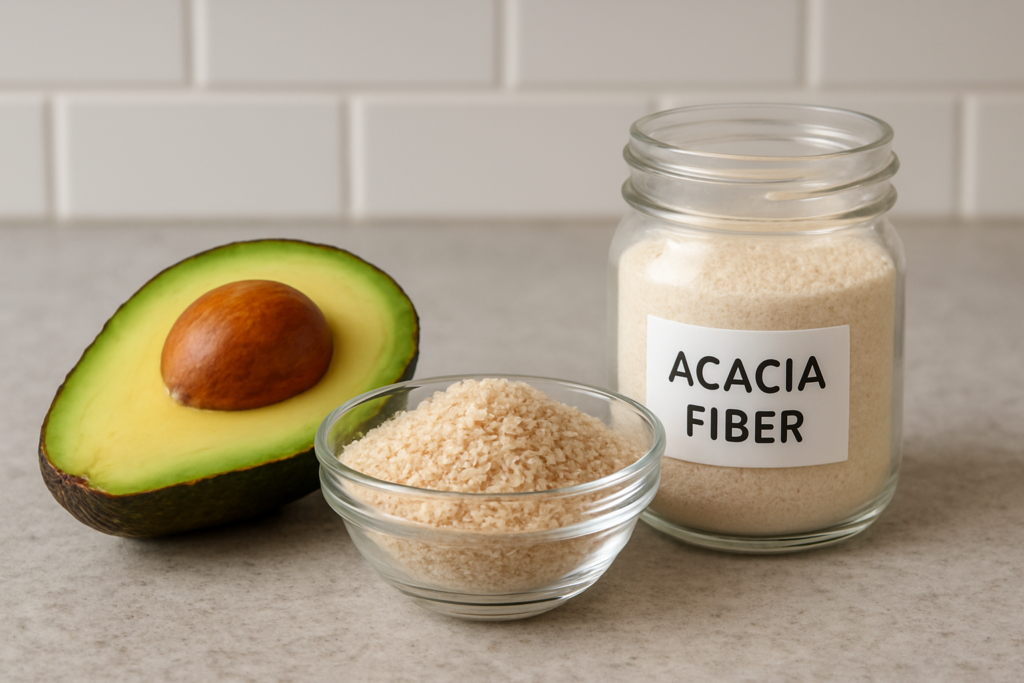
1. Acacia Fiber (Best for Sensitive Guts)
- Extremely gentle
- Feeds beneficial bacteria
- Helps reduce bloating over time
Best for: daily gut health and long-term regularity
2. Psyllium Husk (The Bulking Agent)
- Adds bulk and moisture
- Encourages predictable bowel movements
- Works best with adequate water
Best for: feeling “stuck” or incomplete movements
Tip: Start low. Too much psyllium husk without water can worsen bloating.
3. Avocado (The Whole-Food Option)
- Roughly 10g fiber per avocado
- Provides potassium and healthy fats
- Naturally supports stool softness
Best for: people who prefer food-first solutions
This combination addresses fiber for keto constipation without knocking you out of ketosis.
Step 3: Magnesium Glycinate (The Relaxer)
Magnesium glycinate doesn’t work like a harsh laxative. Instead, it:
- Relaxes intestinal smooth muscle
- Supports the nervous system
- Improves sleep (which also helps digestion)
This makes it ideal for people dealing with:
- Tension-related constipation
- Nighttime cramping
- Stress-induced gut issues
Take it in the evening for best results.
Bottom Line: Keto shouldn’t feel heavy. By Maxing your Fiber and balancing your minerals, you can enjoy the fat-burning benefits of ketosis while keeping your gut as light as your energy levels.
Here is a post on sleep and weight loss, the hidden connection
The “Quick Relief” Protocol (Feel Better Today)
If you’re uncomfortable right now, start here.
Do These 5 Things Today:
- Take a 10-minute walk after your largest meal (movement stimulates digestion)
- Drink a “Metabolic Shot”: water + apple cider vinegar + pinch of salt
- Add magnesium glycinate before bed
- Eat one fiber-focused meal (avocado + greens + olive oil)
- Lower fat temporarily at your next meal to reduce digestive slowdown
This combo often brings relief within 24–48 hours without extreme measures.
Keto Gut Health Hacks That Actually Work
Long-term success comes from habits, not emergency fixes.
Hack #1: Rotate Fiber Sources
Using different fibers feeds different bacteria. Variety = resilience.
Hack #2: Eat Slower
Fat digestion begins in the mouth. Rushed meals increase bloating.
Hack #3: Don’t Fear Veggies
Non-starchy vegetables support gut health without breaking ketosis.
Hack #4: Stress Matters
High cortisol tightens the gut. Sleep and nervous system support matter more than most macros.
Common Mistakes That Make Keto Constipation Worse
- Cutting calories too low
- Overusing cheese and dairy
- Ignoring electrolytes
- Adding fiber without water
- Using stimulant laxatives
True keto constipation relief should feel supportive, not stressful.
Final Thoughts: You’re Not Broken—Your Gut Just Needs Support
Being bloated on keto doesn’t mean keto isn’t for you. It means your digestive system needs hydration, fiber, and mineral balance, not punishment.
When you support your gut microbiome, digestion improves, energy returns, and keto becomes sustainable again.
Relief is not about doing more, it’s about doing the right things in the right order.