
A Beginner’s Guide to Unlocking Your Health and Weight Loss Goals
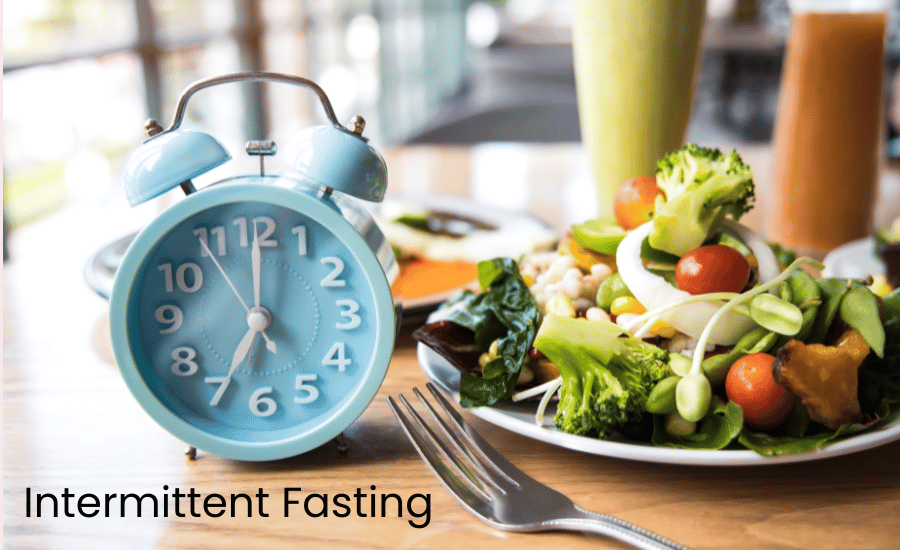
Intermittent fasting for beginners.
Have you ever felt like you’ve tried every diet under the sun and nothing seems to stick? Or maybe you’re tired of counting calories, obsessing over food all day, and still not seeing results? Here’s the good news: intermittent fasting might be the reset button your body has been waiting for.
This isn’t about starving yourself or following another “fad” that fades after a few weeks. It’s about working with your body’s natural rhythm so you can finally see progress with weight loss, boost your energy, and simplify your wellness journey.
If you’ve ever wondered, “Can skipping meals really help me lose weight?” keep reading, because I’m breaking it all down in this post.
This post may contain affiliate links, and I may earn commission at no extra cost to you.
What is Intermittent Fasting
Intermittent fasting (or IF for short) isn’t a diet, it’s a pattern of eating. Instead of focusing on what you eat, it’s all about when you eat. You cycle between periods of eating and fasting, giving your body time to reset and burn stored fat.
Think of it like this: for most of history, humans didn’t have food at their fingertips 24/7. They ate when food was available, not from sunrise to bedtime. Intermittent fasting brings back that natural rhythm.
Popular fasting schedules include:
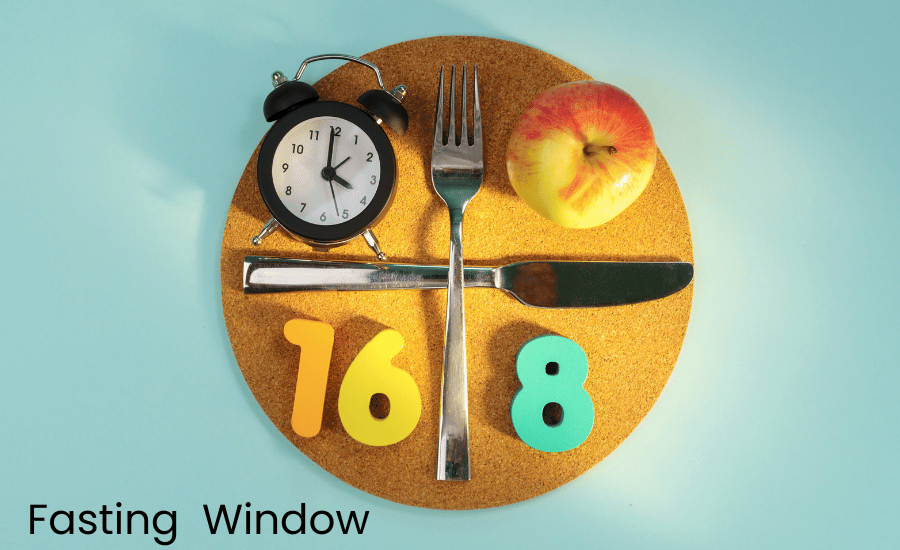
- 16/8 method: Fast for 16 hours, eat within an 8-hour window.
- 14/10 method: A gentler approach, fasting for 14 hours and eating in a 10-hour window.
- 5:2 method: Eat normally for 5 days, then eat a very low-calorie intake (500–600 calories) for 2 days.
Why People Struggle With Weight Loss (and How IF Helps)
Let’s be real, losing weight can feel like an uphill battle. You try keto, then low-fat, then counting every macro, but the scale won’t budge. Why?
The problem often isn’t the food itself, but insulin resistance. When we snack all day, our insulin levels stay high, and our bodies don’t get the chance to burn fat for fuel.
That’s where intermittent fasting comes in:
- Lower insulin levels: Fasting allows insulin to drop, making it easier to tap into fat stores.
- Cellular repair: During fasting, your body goes into “clean-up mode,” repairing and rejuvenating.
- Simpler eating: No more stressing about five small meals a day. You just eat within your window.
Benefits of Intermittent Fasting
Intermittent fasting is about more than just dropping pounds. Here’s what people love about it:
- Weight Loss Made Easier
Without snacking and constant eating, your body starts burning fat. Many beginners notice the scale moving in just a couple of weeks. - Boosted Energy
No more mid-afternoon sugar crashes. Once your body adjusts, you’ll feel steady energy all day. - Mental Clarity
Fasting sharpens focus — no brain fog from constantly digesting food. - Improved Digestion
Your gut gets a much-needed break, which often reduces bloating. - Supports Longevity
Research shows intermittent fasting may reduce inflammation and support long-term health.
How to Start Intermittent Fasting (Step by Step)
Okay, so you’re intrigued — but how do you actually start? Here’s a simple plan:
- Choose Your Window
If you’re a beginner, start with the 14/10 method. For example:- Stop eating at 7 PM
- First meal at 9 AM the next day
- Stay Hydrated
Water, black coffee, and unsweetened tea are all fasting-friendly. Staying hydrated also curbs cravings. - Break Your Fast Gently
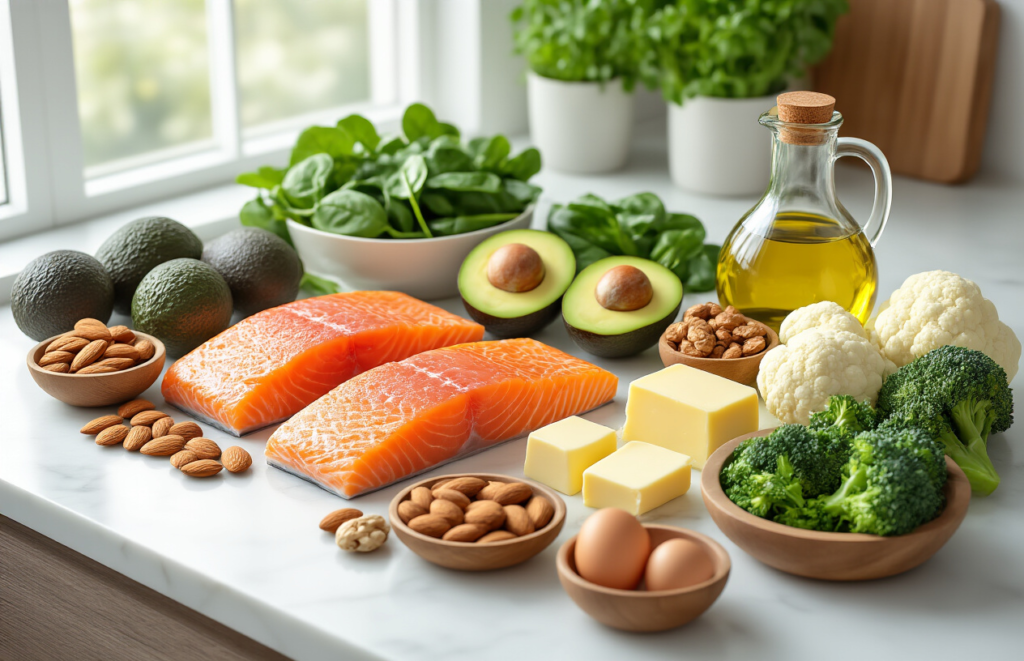
Your first meal should include protein, healthy fats, and fiber. Think eggs with avocado, or a protein smoothie with almond milk. - Listen to Your Body
The first week might feel strange. That’s normal. Don’t force it — ease into fasting gradually. - Avoid Overeating
The goal isn’t to eat everything in sight once your window opens. Stick with nourishing foods.
Here’s a video that breaks down the benefits of intermittent fasting beyond weight loss.
Common Mistakes to Avoid
Even though intermittent fasting is simple, here are a few pitfalls beginners often fall into:
- Not drinking enough water — dehydration can feel like hunger.
- Breaking the fast with sugar — this can spike insulin and lead to cravings.
- Forgetting electrolytes — if you’re low-carb or keto, adding electrolytes helps with energy and hydration.
- Being too strict too soon — remember, fasting is flexible. Find what works for you.
Who Should Not Try Intermittent Fasting
While IF is safe for many people, it’s not for everyone. If you’re pregnant, breastfeeding, underweight, or have certain health conditions like diabetes, talk to your doctor before trying it.
Sample Beginner-Friendly Intermittent Fasting Day
Here’s what a simple 16/8 day might look like:
- 7:00 AM: Black coffee or herbal tea
- 9:00 AM – 11:00 AM: Go for a short walk or light exercise
- 11:00 AM (break fast): Omelet with spinach, cheese, and avocado
- 2:30 PM (snack): Handful of almonds and cucumber slices
- 6:30 PM (last meal): Grilled salmon with roasted veggies and cauliflower rice
- 7:00 PM: Begin fasting again
Tools That Can Help You Succeed
When you’re starting out, having a few tools on hand makes fasting much easier:
- Electrolytes: Especially if you’re combining intermittent fasting with keto.
- MCT Oil: Great in coffee for energy and satiety.
- Meal Prep Containers: Keeps you from grabbing processed snacks when hunger strikes.
- Supportive Reads: Books like The Obesity Code or Fast Like a Girl can guide you through the mindset shift.

Final Thoughts: Why Intermittent Fasting Works
At the end of the day, intermittent fasting works because it’s sustainable. No complicated calorie tracking, no endless restrictions — just a simple rhythm of eating that gives your body time to heal and reset.
If you’re tired of dieting and ready for a lifestyle change that actually lasts, intermittent fasting might be the missing piece you’ve been searching for.
👉 If you found this post helpful, check out my post on Keto Diet for Beginners for more tips on combining IF with low-carb living.
💬 I’d love to hear from you! Have you tried intermittent fasting before? What’s your favorite fasting window? Drop a comment below and let’s chat!
📌 Don’t forget to share this post with a friend who’s curious about fasting, it could be the push they need to start their own journey.
Related Posts
6 Easy Keto Snacks Simple, Delicious, and Totally Low-carb
Keto Meal Prep: Save Time, Stay on Track and Crush Your Goals