
Introduction: The “Fiber-Fat Gap”
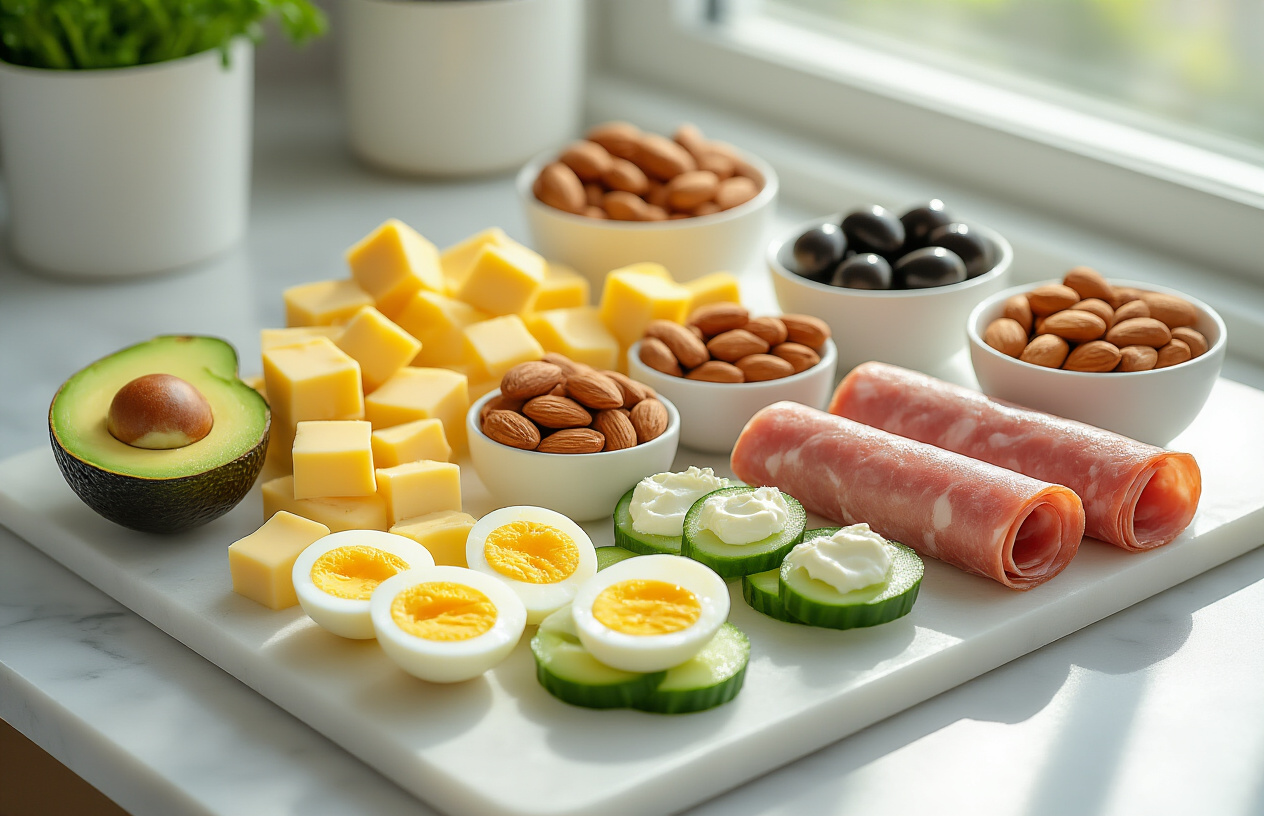
Fiber maxing meal prep guide. Most keto meal preps look the same: a sea of brown and white foods, meat, cheese, eggs, butter.
Great for ketones… terrible for your gut microbiome.
This post may contain affiliate links, I may earn a small commission at no extra cost to you
If you’ve ever felt bloated, sluggish, constipated, or “off” on keto, chances are you’re stuck in what I call the Fiber-Fat Gap, eating plenty of fat but almost no fermentable fiber.
This is especially common with dirty keto meal prep. It hits macros but completely ignores the prebiotics your gut bacteria need to function, regulate inflammation, and keep digestion moving.
And here’s the thing most people don’t realize:
You don’t need to choose between ketosis and gut health.
The goal of this post is simple and practical:
- Show you how to meal prep a full week of food
- Hit the Magic 30 — about 30g of fiber per day
- Stay under 20–30g net carbs
- Avoid bloating, gas, and digestive cha
This is fiber maxing meal prep, the smarter, sustainable way to do keto.
Don’t want to read the whole post? Download the printable shopping list.
The 3 Pillars of Fiber-Maxing Meal Prep
If you try to “add fiber” randomly, you’ll fail — or feel miserable.
Fiber maxing on keto requires structure, not salads thrown in as an afterthought.
These three pillars make high-fiber keto meal prep work without bloating.
Pillar 1: The “Green Base” Rule
Every meal starts with at least 2 cups of greens.
Not optional. Not garnish. The base.
The best options:
- Spinach
- Arugula
- Kale
- Romaine
- Swiss chard
- Broccoli
- Brussels sprouts
- Asparagus
These foods are:
- Low in net carbs
- High in insoluble + soluble fiber
- Rich in polyphenols that feed gut bacteria
Why this works:
Greens provide bulk and fermentation fuel without spiking blood sugar. They also slow fat digestion, which reduces bloating.
Meal prep tip:
- Wash, dry, and portion greens into containers before adding proteins
- Roasted greens count, especially when cooled (more on that soon)
Pillar 2: The “Seed Sprinkle” Strategy
Seeds are the unsung heroes of high fiber keto meal prep.
Two essentials:
Just 1–2 tablespoons per meal can add:
- 4–8g of fiber
- Omega-3 fats
- Minimal net carbs
Where to use them:
- On salads
- In yogurt bowls
- In overnight chia pots
- On roasted vegetables
- Even sprinkled over eggs
Why this works:
Seeds provide viscous fiber, the type that forms a gel in your gut, feeding bacteria and improving stool consistency.
Pro tip:
Chia expands in liquid. Always pair it with hydration.
Pillar 3: The “Resistant Starch” Cheat Code
This is where keto gut health gets interesting.
Certain low-carb vegetables create resistant starch when cooked and cooled, meaning:
- They behave like fiber
- They feed gut bacteria
- They don’t spike glucose
Best options:
- Brussels sprouts
- Artichoke hearts
- Asparagus
- Cauliflower
Meal prep trick:
- Roast vegetables
- Cool completely in the fridge
- Reheat or eat cold
Why this works:
Resistant starch increases butyrate, a short-chain fatty acid that supports colon health, reduces inflammation, and improves insulin sensitivity.
The “Fiber-Maxed” Sample Day of Eating (Keto-Friendly)
This sample day shows exactly how to hit 30g fiber on keto without digestive distress.
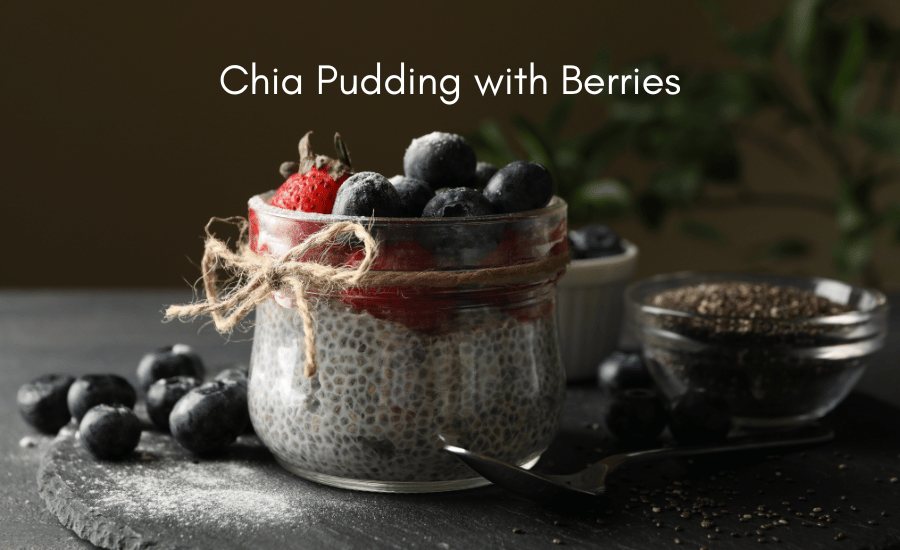
Breakfast: Overnight Berry & Chia seed
Fiber: 12g | Net Carbs: 4g
Ingredients:
- 2 tbsp chia seeds
- Unsweetened almond milk
- A few raspberries or blackberries
- Optional: collagen or protein powder
Why it works:
- Chia provides gel-forming fiber
- Berries add polyphenols with minimal sugar
- Easy to prep 3–4 days ahead
Lunch: The “Fatty Green” Salad
Fiber: 11g | Net Carbs: 5g
Ingredients:
- 2 cups arugula
- ½ avocado
- Pumpkin seeds
- Rotisserie chicken
- Olive oil + lemon
Why it works:
- Arugula is low-carb but highly fermentable
- Avocado adds potassium + soluble fiber
- Seeds slow digestion and reduce blood sugar swings
Meal prep tip:
Keep dressing separate to avoid soggy greens.
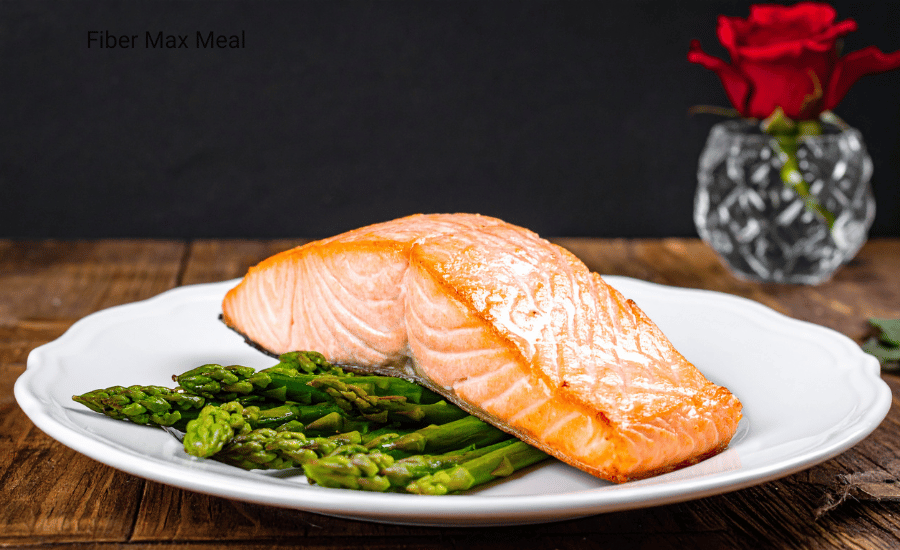
Dinner: Salmon with Roasted Artichoke Hearts & Asparagus
Fiber: 8g | Net Carbs: 6g
- 5 oz cooked salmon
- ¾ cup cooked artichoke hearts (about 4 oz / 115g)
- 1 cup cooked asparagus (about 5 oz / 134g)
Why it works:
- Artichokes are one of the highest prebiotic foods
- Asparagus feeds bifidobacteria
- Salmon provides anti-inflammatory fats
Prep once, eat twice:
These reheat beautifully and taste even better the next day.
Prep & Accuracy Tips
- Roast veggies with olive oil or avocado oil (oil doesn’t affect fiber or carbs)
- Use weighed portions for consistency if meal prepping
- Cooling and reheating the veggies may slightly increase resistant starch, improving gut benefits without increasing net carbs
Daily Total
- Fiber: 31g
- Net Carbs: 15g
Yes, it’s possible.
Essential Tools for Fiber-Maxing Success
Fiber without hydration = discomfort.
These tools make fiber maxing meal prep sustainable.
The Frother
Frother is perfect for:
- Mixing MCT oil into coffee
- Blending electrolytes
- Preventing oily separation
The DIY Electrolyte Bottle
Fiber absorbs water. If you’re dehydrated, fiber will slow digestion instead of helping it.
Remember, fiber needs water to work. Keep your DIY Electrolytes nearby.
Aim for:
Especially during the first few weeks.
Troubleshooting: What If I Get Bloated?
This is the most important section.
If you’re currently eating 5–10g of fiber and jump straight to 30g, bloating is normal, but avoidable.
The Right Way to Increase Fiber
- Increase by 5g every 3–4 days
- Prioritize soluble fiber first (chia, avocado)
- Chew thoroughly
- Drink more water than you think you need
The Magnesium Fix
Magnesium glycinate or citrate helps:
- Relax intestinal muscles
- Improve stool consistency
- Reduce cramping
👉 If digestion feels slow during the transition, read my Ultimate Guide to Keto Constipation Relief.
Fiber Maxing Meal Prep for Beginners: Common Mistakes
Mistake #1: Adding fiber supplements without food
Mistake #2: Skipping electrolytes
Mistake #3: Relying only on cheese and meat
Mistake #4: Ignoring resistant starch foods
Fiber maxing works best when it’s food-first.
Why Fiber Maxing Is the Missing Link in Keto Gut Health
High-fiber keto meal prep:
- Improves regularity
- Reduces bloating
- Supports the gut microbiome
- Increases diet adherence
- Helps long-term fat loss
This is how keto becomes a lifestyle, not a crash diet.
Conclusion: The Fiber Cheat Code
Meal prep is the difference between:
- A keto diet
- And a keto lifestyle
Fiber maxing meal prep bridges the gap between metabolic health and gut health, without kicking you out of ketosis.
You don’t need perfection.
You need a plan.
Related Posts
- Fiber for keto constipation relief
- DIY Electrolyte drink
- Keto gut health
- Fiber-Maxing on keto
- Master your keto metabolism with CGM
- Keto or Carnivore which diet is right for you
- How a high fat diet helps with weight loss
- Apple Cider Vinegar Hack for Insulin Resistance
- The Ultimate Keto Friendly Fruits Guide