
OMAD: One Meal a Day For Weight Loss
If you’re tired of counting every calorie, juggling multiple meals, and still not seeing the results you expect, then this post matters for you. The OMAD (One Meal A Day) diet offers a simplified, powerful way to pursue weight loss and metabolic change. Here you’ll learn why the OMAD diet is gaining popularity, how it can work for fat loss, exactly what to eat during your one meal, the rules that make it effective, and how to make it realistic and sustainable for your lifestyle.
Heads up: This post may contain affiliate links, I may earn a small commission at no extra cost to you.
What is The OMAD Diet?
OMAD stands for One Meal A Day, essentially, you fast for most of the day (typically ~23 hours) and eat one substantial meal within a designated window (often 1 hour).
It’s a more extreme form of intermittent fasting, but many people love it for its simplicity: no calorie-counting, minimal meal prep, and fewer food decision
Why It Works For Weight Loss
The OMAD diet works in part because of the way fasting impacts your hormones and metabolism. Several key mechanisms include:
- Calorie Reduction: With only one eating window, it’s naturally harder to consume extra calories.
- Improved Fat Oxidation / Metabolic Flexibility: One study found that participants eating just one meal per day reduced fat-mass and increased fat oxidation during exercise compared to three meals per day.
- Insulin Sensitivity & Lowered Insulin Spikes: Extended fasting may help reduce insulin levels and minimize fat storage signals.
That said, it’s not magic. Some research emphasizes that OMAD isn’t significantly better than standard calorie restriction for weight loss , and it may be harder to stick to.
The bottom line? It can be a powerful tool if done correctly and consistently.
Benefits Of The OMAD Diet
Here are some of the major advantages you’ll gain when you do OMAD right:
- Simplification of Meals: Only one meal to plan, cook, and enjoy each day. For busy people, this can reduce stress and decision-fatigue.
- Time Freedom & Less Snacking: Fewer eating windows means fewer opportunities to snack or make impulsive food choices.
- Potential Enhanced Fat Loss: As mentioned earlier, some studies show improved fat-mass reduction or fat burning with one meal per day.
- Improved Mental Clarity & Focus (Reported): Many who follow OMAD report less brain fog and more consistent energy.
- Reduced Food Noise & Habit Reset: Eating once can help reset your relationship with food, reduce constant grazing, and increase mindfulness.
What To Eat During Your One Meal
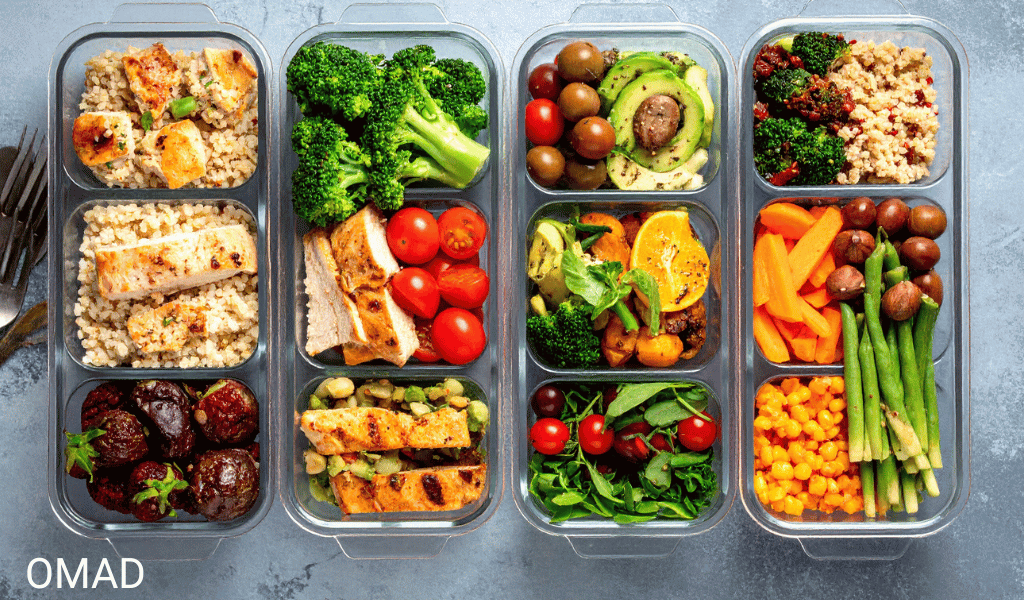
Since your one meal is your only opportunity each day to fuel your body, you’ll want it to be robust, satisfying, nutrient-dense, and aligned with your goals (especially if you’re doing keto or low carb). Here’s how to build it:
Macro & Micro Nutrient Focus
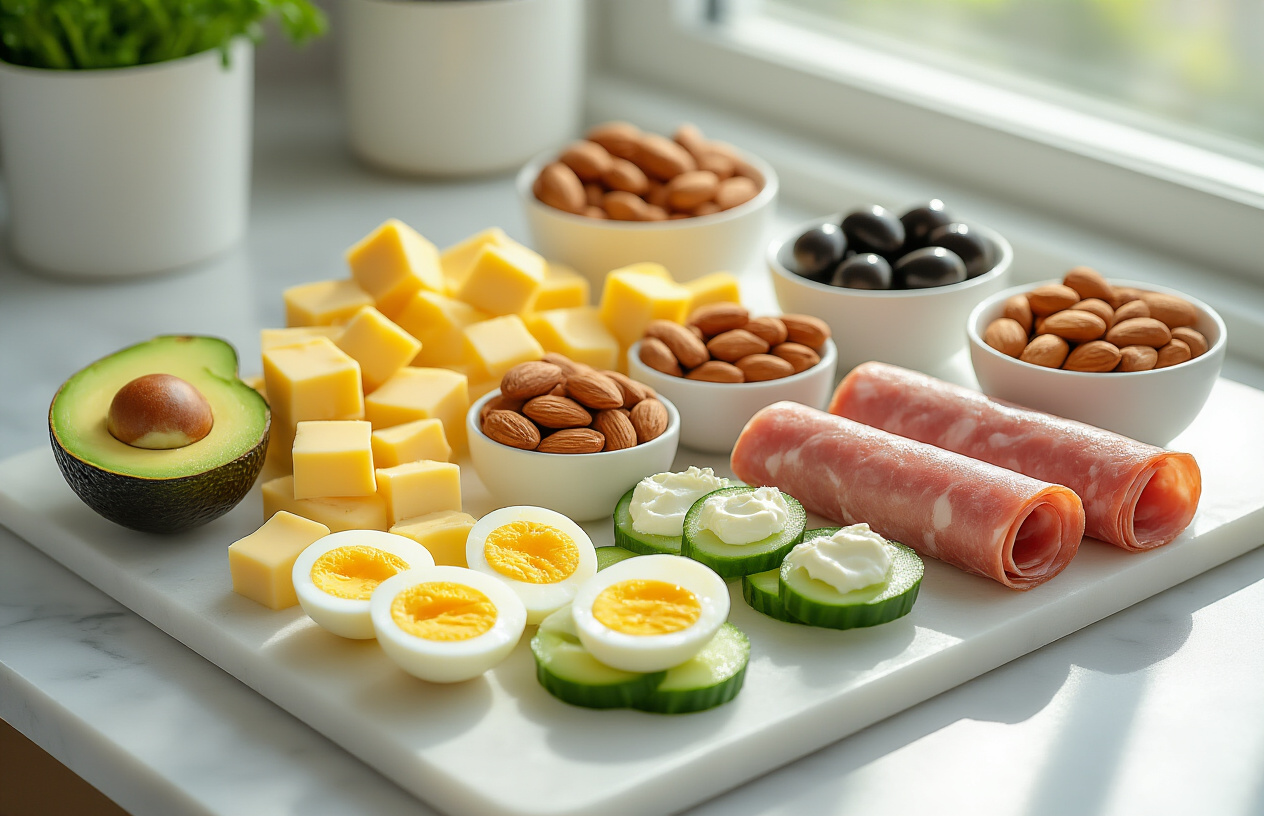
- Protein: Choose high-quality animal protein (if you follow keto/carnivore), beef, chicken, fish, eggs.
- Healthy Fats: Include sources like avocado, olive oil, butter, fatty fish, so you stay full and satisfied.
- Veggies (if you include them): Leafy greens, non-starchy veggies, even fermented options for gut health.
- Color & Variety: Turmeric, herbs, spices for added anti-inflammatory benefit.
- Hydration & Electrolytes: Start your eating window with water, hydrate well, and consider electrolyte support (especially important if you’re low carb).
Sample Meal Ideas
- Pan-seared salmon with lemon butter sauce + steamed spinach + roasted cauliflower.
- 8-oz ribeye steak, sautéed mushrooms + side salad with olive oil.
- Big egg frittata loaded with veggies + avocado + salsa.

Rules to Make OMAD Work (and Stay Safe)
To make OMAD effective and sustainable, follow these rules:
- Pick a consistent eating window. Many do their one meal in the evening, but pick what fits your lifestyle (e.g., 5–7 pm).
- Stay hydrated outside the meal. During fasting hours: water, black coffee, unsweetened tea. No caloric drinks.
- Eat until comfortably full (not stuffed). Your meal should satisfy you. Overeating can backfire.
- Avoid nutrient deficits. With one meal, you must prioritize whole foods and possibly consider a multivitamin if needed.
- Listen to your body. If you feel dizzy, fatigued, or weak, adjust your plan, slow the transition, or choose a less strict form of fasting.
- Make it sustainable. OMAD isn’t a punishment, it’s a lifestyle tool. If it’s too extreme, try 16:8 or 18:6 fasting.
Who Should Consider OMAD and Who Should Be Cautious
Consider it if you’re:
- Already familiar with fasting or low-carb eating.
- Looking for simplicity and willing to commit.
- Without major health issues and able to respond to your body’s cues.
Be cautious or avoid if you’re:
- Pregnant, breastfeeding, under 18.
- Dealing with severe metabolic disorders, diabetes, eating disorders, or on glucose‐lowering medications.
- Unsure about nutritional sufficiency or new to fasting.
Always talk to your healthcare provider before starting OMAD, especially if you have any medical concerns.
How to Transition into OMAD
Here’s a simple 4-step roadmap to ease into it:
- Week 1: Try a 16:8 fasting window (eat within 8 hours, fast 16).
- Week 2: Move to 18:6 if comfortable.
- Week 3: Extend fasting window to ~22 hours, then eat your one meal.
- Week 4 & beyond: Fine-tune your meal timing, food choices, and listen to how your body responds.
Related Posts You’ll Want to Read
- Keto Diet for Beginners – A complete beginner’s guide to low-carb eating.
- Hydration & Electrolytes Explained – Why hydration matters when you’re fasting or doing low-carb.
- 10 Keto Mistakes That Stop Weight Loss– Avoid common pitfalls that stall progress.
If you found this guide helpful, do me a favor: share this post with someone who’s curious about OMAD or fasting.
And I’d love to hear from you, comment below: Are you ready to try the OMAD diet? What’s your biggest question or concern?
Don’t forget to subscribe to the blog (or join the email list) so you never miss a tip on keto, fasting, and sustainable weight loss.
See you in the next post, stay focused, listen to your body, and keep moving forward!
Final Thoughts
The OMAD diet isn’t for everyone, but when done thoughtfully, it can be a transformative tool for weight loss, metabolic health, and simplicity. The key is balance, nourishment, and listening to your body.
You’re not chasing quick fixes, you’re building a lifestyle. One intentional meal a day, one mindful choice at a time.