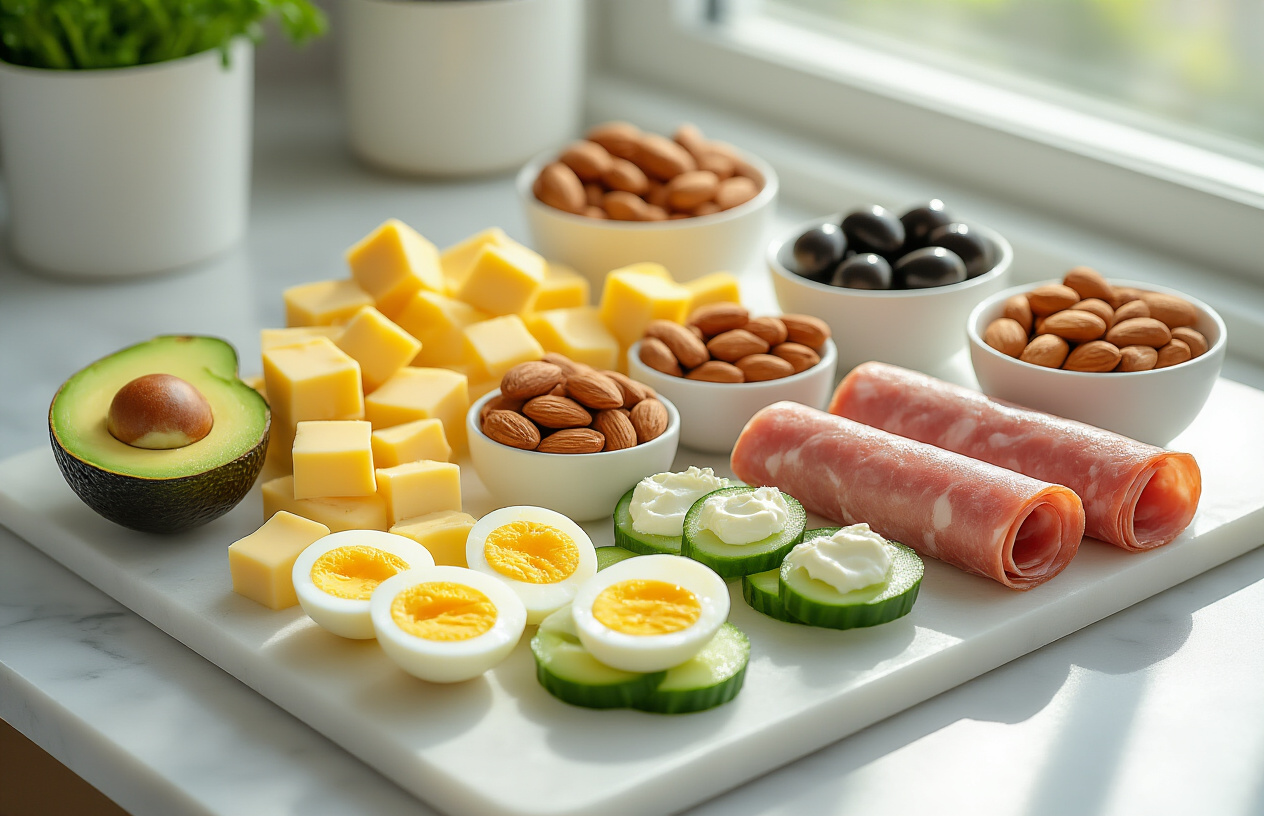

Choosing between Keto or Carnivore can feel overwhelming, especially when both diet promise weight loss, better energy, and health benefits. The choice between keto or carnivore depends on your unique needs, preferences, and health goals.
Heads up: This post may contain affiliate links, I may earn a small commission at no extra cost to you.
This guide is for you if you’re confused about choosing between keto and carnivore, tired of conflicting diet advice, or ready to make an informed decision about your eating plan. Maybe you’ve tried other diets without lasting success, or you’re dealing with specific health concerns that might benefit from a low carb vs zero carb diet approach.
Understanding the nuances of keto or carnivore can help you tailor your approach for the best results. This guide is for you if you’re confused about choosing between keto or carnivore, tired of conflicting diet advice, or ready to make an informed decision about your eating plan.
I’ll break down the key differences between the ketogenic lifestyle vs carnivore lifestyle, examining what each diet actually involves and how they work. You’ll discover the keto diet benefits and risks alongside carnivore diet health effects, so you can weigh the pros and cons honestly. Most importantly, I’ll help you figure out which approach aligns with your personal health goals, food preferences, and daily routine.
By the end, you’ll have a clear framework for making the right choice between these two meat-focused eating styles, plus practical steps to get started on whichever path suits you best.
Understanding The Keto Diet and Its Core Principles
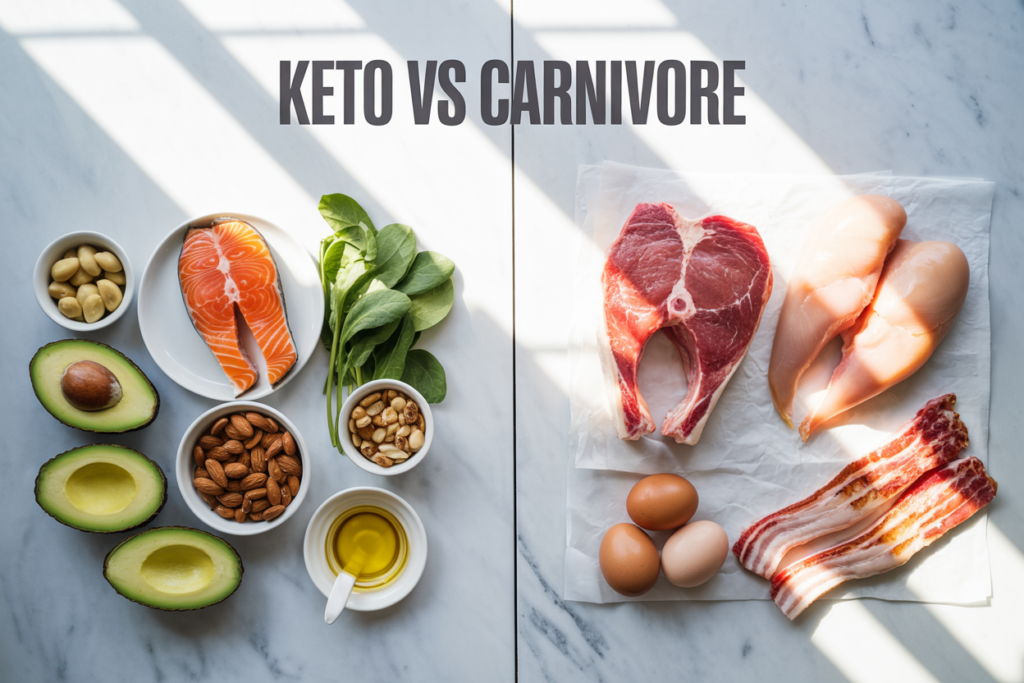
Choosing the best diet begins with understanding the ketogenic diet, because keto is often the gateway into low-carb living. The keto diet focuses on shifting your body’s main fuel source from carbohydrates to fats. Instead of burning sugar for energy, your body learns to burn stored fat.
This diet typically includes:
- High healthy fats
- Moderate protein
- Very low carbohydrates
It’s popular for people who want structured flexibility while still enjoying vegetables, dairy, and low-carb alternatives.
How ketosis transforms your body into a fat-burning machine
Keto or Carnivore conversations always start with ketosis. If you’re exploring keto or carnivore, understanding ketosis is crucial. Ketosis is a metabolic state where your body produces ketones from stored fat and uses them as its primary fuel.
This can lead to:
- Faster fat burning
- Fewer hunger spikes
- More stable energy levels
Many people report feeling mentally sharper once their body adapts.
The process typically takes 2-4 weeks to fully establish. During this transition, your insulin levels drop significantly, which helps your body access stored fat more easily. You’ll notice changes in your hunger patterns too – ketones naturally suppress appetite, making it easier to maintain a caloric deficit if weight loss is your goal.
Essential macronutrient ratios for optimal ketone production
Your success with the keto diet depends heavily on getting your macros right. The standard ketogenic approach requires approximately 70-80% of your calories from fat, 15-25% from protein, and just 5-10% from carbohydrates.
| Macronutrient | Percentage | Grams (for 2000 cal diet) |
|---|---|---|
| Fat | 70-80% | 155-178g |
| Protein | 15-25% | 75-125g |
| Carbohydrates | 5-10% | 25-50g |
Most people aim for under 20-30 grams of net carbs daily to maintain ketosis. Net carbs equal total carbs minus fiber, since fiber doesn’t impact blood sugar levels. Your protein intake should be moderate – too little and you’ll lose muscle mass, too much and it might interfere with ketone production through gluconeogenesis.
The choice between keto or carnivore may also be influenced by your health conditions and dietary goals.
Fat becomes your primary calorie source, but quality matters. Focus on nutrient-dense fats rather than just hitting numbers. Your body needs adequate fat to produce ketones efficiently and maintain hormone production.
Foods that fuel your ketogenic lifestyle
Your ketogenic food choices center around whole, unprocessed options that fit your macro requirements. Healthy fats form the foundation of every meal and snack.
Primary fat sources include:
- Avocados and avocado oil
- Olive oil and olives
- Nuts and seeds (almonds, walnuts, chia seeds)
- Fatty fish (salmon, mackerel, sardines)
- Grass-fed butter and ghee
- Coconut oil and MCT oil
Quality protein options:
- Grass-fed beef and lamb
- Free-range poultry
- Wild-caught seafood
- Pasture-raised eggs
- Full-fat dairy products
Low-carb vegetables:
- Leafy greens (spinach, kale, arugula)
- Cruciferous vegetables (broccoli, cauliflower, Brussels sprouts)
- Zucchini and summer squash
- Asparagus and green beans
- Bell peppers and cucumber
You’ll need to avoid grains, legumes, most fruits, starchy vegetables, and anything with added sugars. Reading labels becomes second nature since hidden carbs lurk in many processed foods. Keto allows more food variety, which makes it easier for many people to stick with long-term.
Common challenges during the adaptation phase
Keto or Carnivore diets both have adjustment periods, but keto often causes the well known “keto flu”. The “keto flu” hits many people between days 2-7, bringing symptoms like fatigue, headaches, brain fog, and irritability. This happens because your body is learning to use a different fuel source while also losing water and electrolytes.
Electrolyte imbalances cause most early discomfort. When you cut carbs, your kidneys release excess sodium and water, which can lead to dehydration and mineral deficiencies. You’ll need to increase your sodium, potassium, and magnesium intake significantly.
Sleep disturbances are common during adaptation. Your body might feel wired at night or you might experience unusual dreams. This typically resolves within 2-3 weeks as your brain adjusts to using ketones.
Social situations become trickier when you’re avoiding carbs. Restaurant meals require careful navigation, and family gatherings centered around traditional foods can feel challenging. Planning ahead and having keto-friendly options ready helps you stay on track.
Digestive changes are normal too. Some people experience constipation from reduced fiber intake, while others might have loose stools from increased fat consumption. Adding low-carb vegetables and staying hydrated usually resolves these issues.
Read my full guide on: How to Beat the keto flu Naturally
Exploring the Carnivore Diet and Its Unique Approach
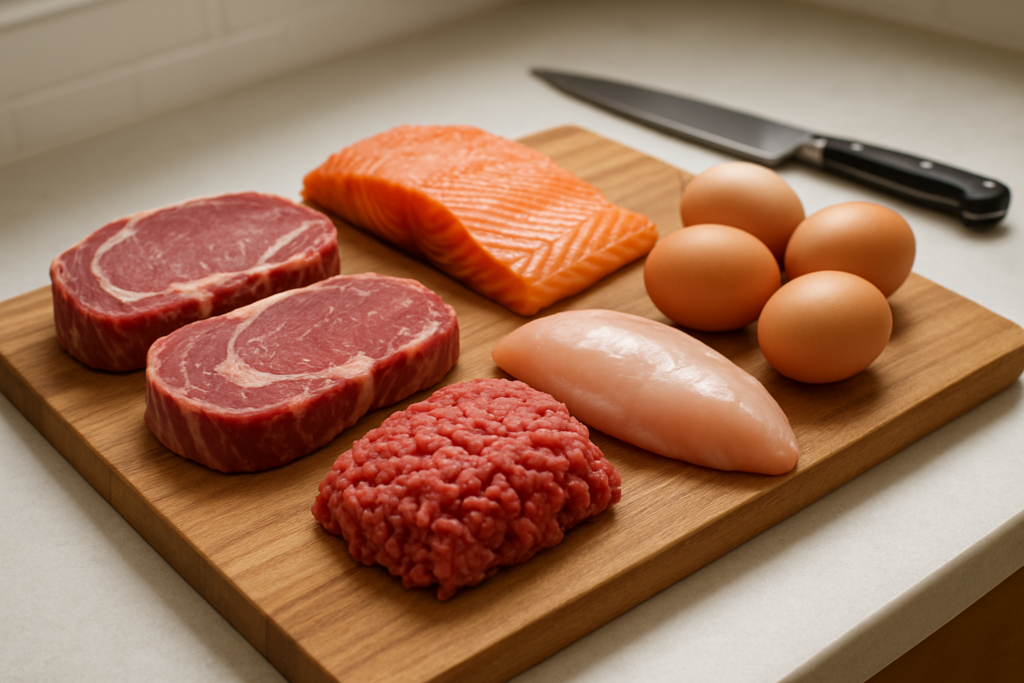
Keto or Carnivore becomes even more interesting when you explore the carnivore diet. Understanding keto or carnivore can illuminate the best dietary path for your health.
This includes:
- Meat
- Fish
- Eggs
- Animal fats
- Limited dairy (optional)
No fruits. No vegetables. No grains. No sugar.
Why eliminating all plant foods can revolutionize your health
Keto or Carnivore debates often highlight how carnivore removes potential inflammatory foods. Some people experience relief from:
- Autoimmune symptoms
- Digestive issues
- Skin problems
- Joint pain
This may be due to eliminating plant toxins like lectins, oxalates, and phytates that some people are sensitive to.
Animal-based foods that provide complete nutrition
Your nutritional needs become surprisingly simple when you focus solely on animal products. Beef, lamb, pork, fish, and organ meats contain every essential amino acid, vitamin, and mineral your body requires to thrive. Unlike plant proteins that are often incomplete, animal proteins deliver the full spectrum of building blocks your muscles and organs need for optimal function.
Organ meats pack more nutrients per ounce than any superfood you’ll find in the produce section. Liver contains more vitamin A than carrots, more folate than spinach, and more iron than any plant source. When you compare the meat only diet to plant-based alternatives, the bioavailability difference becomes clear, your body absorbs nutrients from animal sources far more efficiently.
Here’s what a day of complete nutrition looks like on carnivore:
| Animal Food | Key Nutrients | Benefits |
|---|---|---|
| Ribeye steak | B vitamins, iron, zinc, protein | Muscle building, energy production |
| Salmon | Omega-3s, vitamin D, selenium | Brain health, inflammation reduction |
| Beef liver | Vitamin A, folate, copper | Immune support, cellular function |
| Eggs | Choline, biotin, vitamin K2 | Brain development, bone health |
Your calcium needs are met through bones and dairy if you choose to include them. Your vitamin C requirements drop significantly when you’re not consuming carbohydrates, as glucose competes with vitamin C for absorption.
How carnivore eating simplifies meal planning and preparation
Simplicity is where carnivore shines. You don’t need complicated recipes.
A typical day might look like:
- Breakfast: Eggs and bacon
- Lunch: Steak or burger patties
- Dinner: Salmon or chicken thighs
This makes grocery shopping easier and removes decision fatigue.
Planning your weekly meals when considering keto or carnivore diet options shows carnivore wins on simplicity. While keto requires calculating net carbs and balancing multiple food groups, carnivore eliminates decision fatigue entirely. You choose your protein, cook it, eat it, and move on with your day.
Health Benefits and Potential Risks of Each Diet
Each diet should be evaluated realistically, not just through viral success stories. Both diets have pros and cons.
Weight loss advantages and metabolic improvements on keto
Weight loss is often faster with keto in the beginning because of water weight loss and reduced appetite.
Benefits include:
- Improved insulin sensitivity
- Better blood sugar control
- Appetite regulation
Mental clarity and energy boosts from carnivore eating
Supporters of carnivore often report:
Choosing between keto or carnivore can also be a matter of trial and error, as various individuals respond differently to each approach.
- Extremely stable energy
- No mid-day crashes
- Reduced brain fog
Keto or Carnivore diets can lead to significant changes in health markers. Evaluating the impact of keto or carnivore on your personal health is vital.
With zero carbs, blood sugar swings almost disappear.
Potential nutrient deficiencies and how to prevent them
Keto or Carnivore diets can cause nutrient gaps if not done properly.
For keto:
- Low potassium
- Low magnesium
For carnivore:
- Potential low vitamin C (if no organ meats or fish)
Prevention tips:
- Use mineral-rich salt
- Eat organ meats occasionally
- Consider high-quality supplements
Long-term sustainability considerations for both approaches
Sustainability on these diets depends on personality and lifestyle.
Keto is:
- Easier for social events
- More flexible
- Easier to maintain long-term
Carnivore is:
- Highly structured
- More restrictive
- Easier for people who prefer simplicity
Impact on digestive health and gut microbiome
Gut health differs between these diets:
Keto:
- Includes fiber from vegetables
- Supports a more diverse microbiome
Carnivore:
- Reduces bloating and IBS symptoms for some
- Eliminates irritants found in plants
In summary, whether keto or carnivore fits your lifestyle best is a personal decision influenced by your preferences and health status.
There is no “one-size-fits-all” answer here.
Determining Your Personal Health Goals and Lifestyle Factors
Either diet only works long-term when it fits your real life.
Assessing your current health status and medical history
Keto or Carnivore should always be considered in light of:
- Blood sugar levels
- Thyroid health
- Digestive conditions
- Hormonal balance
If you have medical conditions, it’s wise to consult a healthcare provider before making extreme dietary changes.
Evaluating your relationship with food and eating preferences
Keto or Carnivore requires honesty with yourself.
Ask yourself:
- Do you enjoy vegetables?
- Are you okay eating mostly meat?
- Do you need variety to stay consistent?
Your preferences matter more than trends.
Considering your activity level and exercise routine
These diets may affect workouts differently.
Keto:
- Better for moderate activity
- Easier glycogen replenishment with limited carbs
Carnivore:
- May require more fat intake for endurance
- Works well for low-intensity strength training
Factoring in social situations and family dynamics
Keto or Carnivore must fit your real-world environment.
Consider:
- Family meals
- Holidays
- Eating out
- Cultural foods
Keto is generally easier to navigate in social settings.
Making the Right Choice for Your Individual Needs
Keto or Carnivore ultimately comes down to how your body feels and how sustainable the plan is for your life.
Signs that keto might be your perfect match
Choose keto if you:
✅ Want dietary flexibility
✅ Enjoy vegetables
✅ Need social adaptability
✅ Prefer structured but not extreme plans
Indicators that carnivore could transform your health
Choose carnivore if you:
✅ Have severe digestive issues
✅ Have autoimmune conditions
✅ Prefer very simple meal plans
✅ Do better with strict rules
How to transition safely to your chosen eating plan
Transition to either diet should be gradual.
For keto:
- Slowly reduce carbs
- Increase fats
- Add electrolytes
For carnivore:
- Remove processed foods first
- Gradually reduce plants
- Increase animal fats slowly
Confused between the keto and carnivore diet? This video breaks down the benefits, risks, and which lifestyle is right for your health goals.
Conclusion
Both keto and carnivore diets offer unique pathways to better health, but the right choice depends entirely on your personal goals and lifestyle. If you’re looking for flexibility while still achieving fat-burning benefits, keto might be your best bet with its variety of low-carb foods and proven track record for weight loss. On the other hand, if you prefer simplicity and want to eliminate potential food sensitivities while focusing on nutrient-dense animal foods, carnivore could be the game-changer you need.
The most important thing to remember is that no single diet works for everyone. Take time to honestly assess your current health status, food preferences, and long-term sustainability goals before making your decision. Start slowly with whichever approach resonates with you, listen to your body’s responses, and don’t hesitate to adjust along the way. Your health journey is unique to you, and the best diet is simply the one you can stick with while feeling your absolute best.
👉 Ready to take the next step?
Check out my beginner guides here:
- Keto Diet for Beginners
- Keto Meal Prep
- Sper Easy Low-Carb Snacks to Keep You on Track
- 10 Common Keto Mistakes
✨ Don’t forget to save this post, share it on Pinterest, and follow for more real, honest health tips.
.