
You’ve heard conflicting advice about fats for years. Eat less fat to lose weight, they said. Count calories, they insisted. But what if everything you’ve been told about fat and weight loss is backwards?
This post may contain affiliate links, and I may earn small commission at no extra cost to you.
How a high fat diet helps with weight loss 2026 isn’t just another trend, it’s backed by solid science that shows your body can become incredibly efficient at burning fat for fuel. When you shift from metabolic eating vs. calorie counting, you tap into your body’s natural ability to shed pounds while feeling satisfied and energized.
This guide is for you if you’re tired of restrictive dieting, constant hunger, and the endless cycle of losing and regaining weight. You’ll discover why your brain craves quality fats, how seed oils vs. animal fats for inflammation affects your metabolism, and why benefits of C8 MCT oil for brain fog make this approach so powerful.
We’ll cover the real science behind fat-fueled weight loss, including what the USDA 2025-2030 dietary guidelines fat recommendations actually mean for your health. You’ll learn the proven benefits that go far beyond just dropping pounds, from improved mental clarity to reduced inflammation. Most importantly, you’ll get a practical roadmap for how to get started with high fat low carb eating, complete with a clean keto food list 2026 that takes the guesswork out of your grocery shopping.
Ready to flip the script on everything you thought you knew about fat and weight loss?
The Big Shift
Recent U.S. dietary guidance reflects this evolution. Updated federal nutrition guidelines now emphasize nutrient-dense foods and highlight healthy fats alongside quality protein and vegetables as central components of a balanced diet, reshaping national food programs and public-health strategies.
This shift mirrors broader recognition that processed carbs and sugar, not natural fats drive many metabolic issues.
The Thesis
Weight loss isn’t just about eating less.
It’s about metabolic signaling, how food tells your body whether to store fat or burn it.
A high fat diet for weight loss 2026 works because it sends a signal:
Energy is abundant, stop storing fat and start using it.
Understanding this principle is the foundation of sustainable transformation.
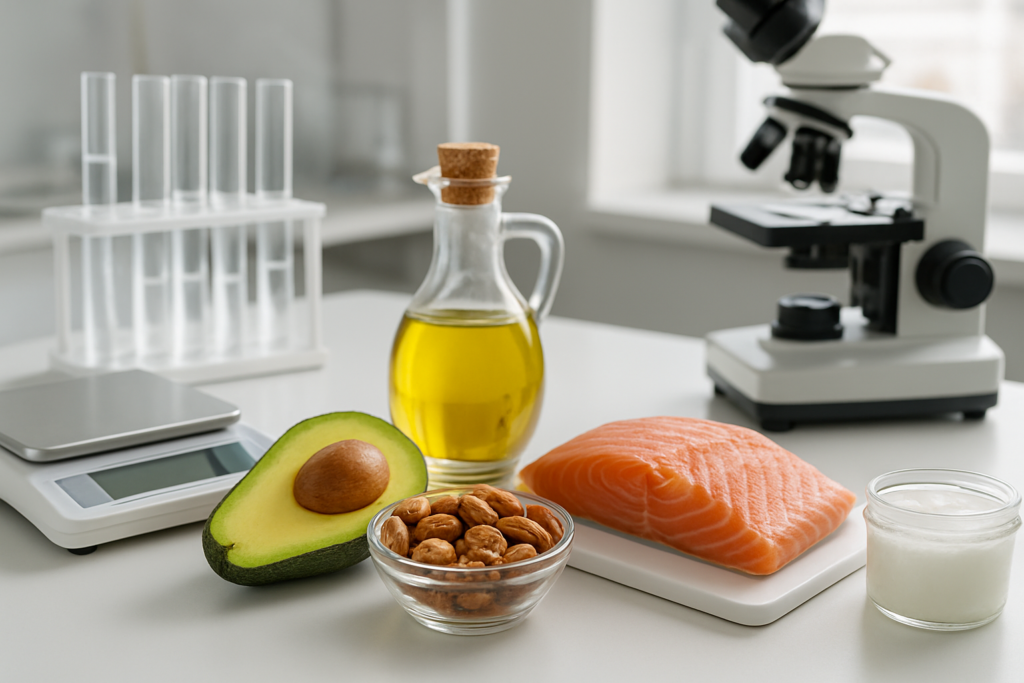
The Science: Why Fat is Your Fat-Burning Ally
Insulin: The Fat Storage Gatekeeper
Insulin is a powerful hormone controlling energy storage. When carbohydrate intake is high:
- Blood sugar rises
- Insulin spikes
- Fat-burning slows
- Storage increases
Dietary fat has minimal impact on insulin response, meaning:
- Stored fat becomes accessible
- Energy stability improves
- Cravings decrease
This is a key difference in metabolic eating vs. calorie counting. Calories matter — but hormonal context matters more.
The Ketosis Mechanism
When carbs drop, the liver converts fats into ketones, an alternative fuel source used by the brain and muscles.
This metabolic state:
- Encourages fat oxidation
- Reduces reliance on sugar
- Supports consistent energy output
Ketones are often described as “clean-burning fuel,” producing fewer spikes and crashes compared to glucose-driven metabolism.
Metabolic Flexibility
Metabolic flexibility means your body can efficiently switch between burning carbs and fat for fuel. Most people are “metabolically inflexible” – they can only burn glucose effectively, which keeps them on the blood sugar roller coaster.
When you follow a high fat diet, you develop this metabolic superpower. Your cells become dual-fuel engines that can run perfectly on either fat or carbs when needed. This flexibility means better endurance, clearer thinking, and steady energy throughout the day.
Your mitochondria, the powerhouses of your cells actually multiply and become more efficient. They get better at producing energy from fat, which burns cleaner than glucose. You’ll experience fewer energy crashes and more sustained mental focus.
The 2026 “Fiber Factor“
Emerging research increasingly highlights that fat-focused diets work best when paired with fiber from whole foods.
Fiber:
- Supports liver health
- Feeds beneficial gut bacteria
- Improves nutrient processing
- Helps regulate lipid metabolism
This is why modern approaches emphasize vegetables, nuts, and seeds, not just fat alone.
Deep Dive: The Science of C8 and C10
1. C8 (Caprylic Acid): The “Instant Ketone”
C8 is the rarest and most potent part of the coconut. In the 2026 metabolic landscape, it is prized because it completely bypasses the liver’s normal digestion process.
- Speed of Fuel: It converts into ketones significantly faster than C10 or C12 (lauric acid). This provides an almost immediate energy boost for the brain.
- Weight Loss Hook: Because it raises ketone levels so efficiently, it triggers a sharper drop in ghrelin (your hunger hormone), making it easier to skip that mid-morning snack.
2. C10 (Capric Acid): The “Metabolic Anchor”
While C8 is about speed, C10 is about sustainability.
- Mitochondrial Support: Recent 2026 studies highlight C10’s unique ability to support mitochondrial health—the “power plants” of your cells. This helps your body burn fat more efficiently over the long term, rather than just in short bursts.
- Immune & Gut Health: C10 has potent antimicrobial properties that help balance the gut microbiome, which we now know is a massive factor in how your body stores or burns fat.
3. The “C12” Controversy
Many “cheap” MCT oils are mostly C12 (Lauric Acid). In your post, you should explain that while C12 is healthy (found in coconut oil), it behaves more like a long-chain fatty acid. It’s processed by the liver like a normal fat and does not provide the instant ketogenic “spark” that C8 and C10 do.
Practical Application: What to Buy
To get the results you’re writing about, your readers should look for oils that are at least 60% C8 and 40% C10, or a pure C8 Caprylic Acid for maximum brain power.
- For High Energy: A pure C8 oil like Sports Research C8 MCT Oil is the gold standard for adding to “Bulletproof” coffee. It has zero aftertaste and provides that instant mental “switch-on.”
- For General Weight Loss: A blend like Bulletproof Brain Octane Softgels is more convenient for those who are always on the go and don’t want to mess with liquids.
Pure C8 vs. C8/C10 Blends.
| Feature | Pure C8 Oil | C8 / C10 Blend |
| Ketone Conversion | Fastest | Moderate |
| Price Point | Premium | Budget-Friendly |
| Best For | Focus & Fasting | Daily Weight Support |
The Core Benefits: Beyond the Scale
Enhanced mental clarity and cognitive function
Your brain thrives on fat, and you’ll notice the difference within weeks of switching to a high fat diet for weight loss. When you cut carbs and increase healthy fats, your liver produces ketones – a premium fuel source that your brain actually prefers over glucose. These ketones cross the blood-brain barrier easily, providing steady, clean energy that eliminates the mental fog you’ve been dealing with.
Benefits of C8 MCT oil for brain fog become particularly apparent when you add this powerhouse supplement to your routine. C8 MCT oil converts to ketones faster than any other fat, giving you rapid mental clarity that lasts for hours. You’ll find yourself more focused during meetings, sharper when problem-solving, and able to concentrate for longer periods without that afternoon crash.
Your memory improves too. Studies show people following ketogenic eating patterns score better on cognitive tests and experience enhanced working memory. The stable energy supply from fat means no more glucose rollercoaster affecting your thinking.
Stable blood sugar levels and diabetes prevention
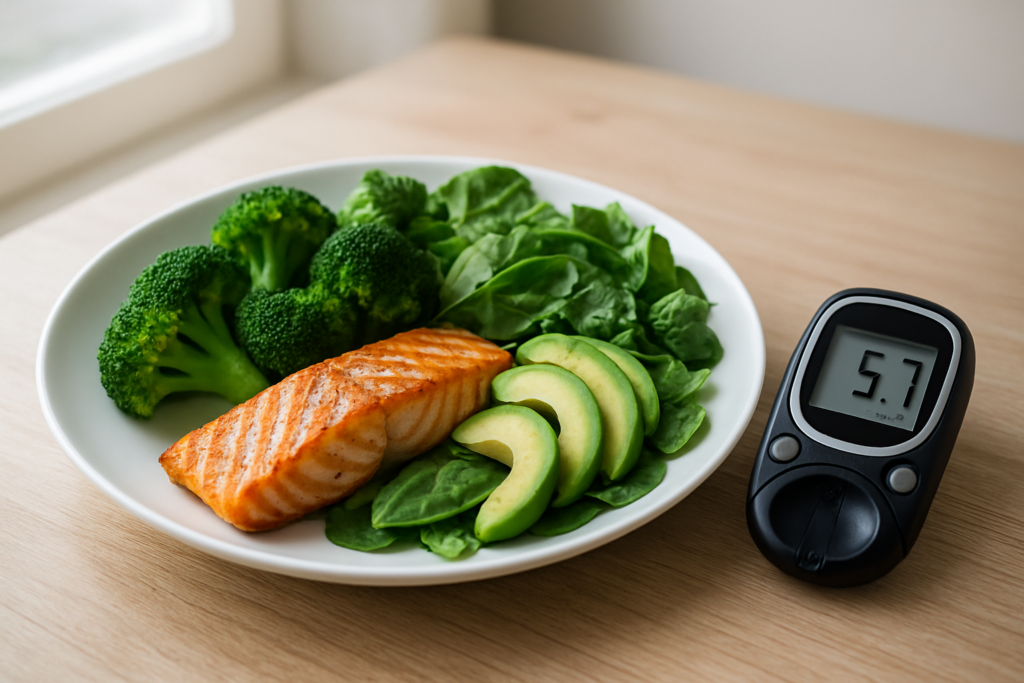
Your blood sugar becomes remarkably stable when you embrace fat as your primary fuel source. Unlike carbohydrates that spike your glucose and trigger insulin rushes, fats provide gentle, sustained energy that keeps your levels steady throughout the day.
This metabolic shift offers profound protection against Type 2 diabetes. When you reduce carbohydrate intake and increase healthy fats, your insulin sensitivity improves dramatically. Your cells become more responsive to insulin, meaning your pancreas doesn’t have to work overtime producing this hormone.
You’ll notice these changes quickly:
- No more 3 PM energy crashes
- Elimination of sugar cravings
- Steady energy levels from morning to night
- Reduced hunger between meals
- Better sleep quality due to stable overnight glucose
Metabolic eating vs. calorie counting becomes clear here – your hormones matter more than calories. When you eat fat, you’re not just changing what you eat; you’re rewiring how your body processes energy. Your metabolism shifts from sugar-burning to fat-burning, creating a more stable internal environment.
People with prediabetes often see their HbA1c levels normalize within months of adopting this eating pattern. Your fasting glucose drops, and your glucose tolerance improves significantly.
Mitochondrial Health
Mitochondria power every cell.
Fat metabolism:
- Generates fewer reactive byproducts
- Supports energy efficiency
- May reduce oxidative stress compared to high sugar processing
This positions fat not just as fuel, but as cellular support.
Your “Day 1” Strategy: How to Get Started
The “Whole Foods First” Rule
Eat More Of:
- Grass-fed meats
- Wild-caught fish
- Olives & avocado
- Butter or tallow
- Nuts and seeds
Avoid:
- Ultra-processed “keto” snacks
- Synthetic sweeteners
- Industrial seed oils
Understanding seed oils vs. animal fats for inflammation is key — quality sources matter more than macros alone.
Top 5 High-Fiber, High-Fat Veggies
1️⃣ Avocado
2️⃣ Olives
3️⃣ Artichokes
4️⃣ Brussels sprouts with olive oil
5️⃣ Broccoli sautéed in butter
These foods support digestion, satiety, and metabolic balance.
Mastering the Keto Flu
This transition phase often isn’t illness, it’s electrolyte depletion.
Daily targets:
- Sodium
- Potassium
- Magnesium
Simple Ketoade Recipe:
- Water
- Lite salt
- Lemon squeeze
Hydration dramatically smooths adaptation.
The Transition Window
During the first 48–72 hours:
- Glycogen stores deplete
- Water weight shifts
- Fat adaptation begins
Expect temporary fatigue, followed by energy stabilization.
This is the reality of how to get started with high fat low carb successfully.
Sample meal plans for beginners
Starting your high fat journey becomes easier with concrete meal ideas. Here’s a simple three-day rotation that demonstrates how to get started with high fat low carb eating:
Day 1:
- Breakfast: Three eggs cooked in grass-fed butter with spinach and avocado
- Lunch: Salmon salad with olive oil dressing and mixed greens
- Dinner: Grass-fed beef with roasted broccoli in coconut oil
- Snack: Macadamia nuts or olives
Day 2:
- Breakfast: Full-fat Greek yogurt with crushed walnuts and a few berries
- Lunch: Chicken thighs with cucumber salad dressed in avocado oil
- Dinner: Pork chops with sautéed kale and mushrooms
- Snack: Hard-boiled eggs with sea salt
Day 3:
- Breakfast: Avocado stuffed with tuna and olive oil
- Lunch: Lettuce wraps filled with ground beef and cheese
- Dinner: Sardines with roasted asparagus and butter
- Snack: Raw almonds or coconut chips
Each meal should contain 70-80% of calories from fat, 15-25% from protein, and 5-10% from carbohydrates. Drink plenty of water and add sea salt to prevent electrolyte imbalances during your transition.
Myth-Busting: The “Fat Wars” of 2026
One of the biggest hurdles for people starting a high-fat diet is the lingering fear of animal fats. For decades, we were told that butter and tallow “clogged arteries,” while “heart-healthy” seed oils (like canola and soybean) were the solution. In 2026, the science has become much more nuanced.
Myth #1: Seed Oils are Always “Heart Healthy”
While oils like canola and corn oil are high in polyunsaturated fats (PUFAs) that can lower LDL cholesterol, they are also extremely high in Omega-6 fatty acids. In the modern diet, we consume far too much Omega-6 and not enough Omega-3, which can lead to chronic, low-grade inflammation.
- The 2026 Reality: Many people are now avoiding the “Hateful Eight” (canola, corn, cottonseed, grapeseed, rice bran, soy, sunflower, and safflower) because they oxidize easily when heated, creating harmful compounds that can damage your cells.
Myth #2: Saturated Animal Fats are Toxic
The 2025–2030 Dietary Guidelines have finally begun to acknowledge that whole-food saturated fats (like those found in grass-fed beef tallow and ghee) play a vital role in hormone production and brain health.
- The 2026 Reality: Animal fats are incredibly stable at high temperatures. Unlike seed oils, they won’t turn “rancid” or toxic when you sear a steak or roast veggies. Plus, they contain Vitamin K2 and CLA (Conjugated Linoleic Acid), which are linked to improved metabolic health.
The Verdict for Your Plate
You don’t have to choose a “side,” but you should choose quality. Focus on “stable” fats for cooking and “cold” fats for dressings:
- For High-Heat Cooking: Use Grass-Fed Tallow, Ghee, or Avocado Oil.
- For Salads/Finishing: Use Extra Virgin Olive Oil or Cold-Pressed Nut Oils.
- Avoid: Highly refined oils in clear plastic bottles (which are often pre-oxidized by light and heat).
The High-Fat Pantry: Tools for Success
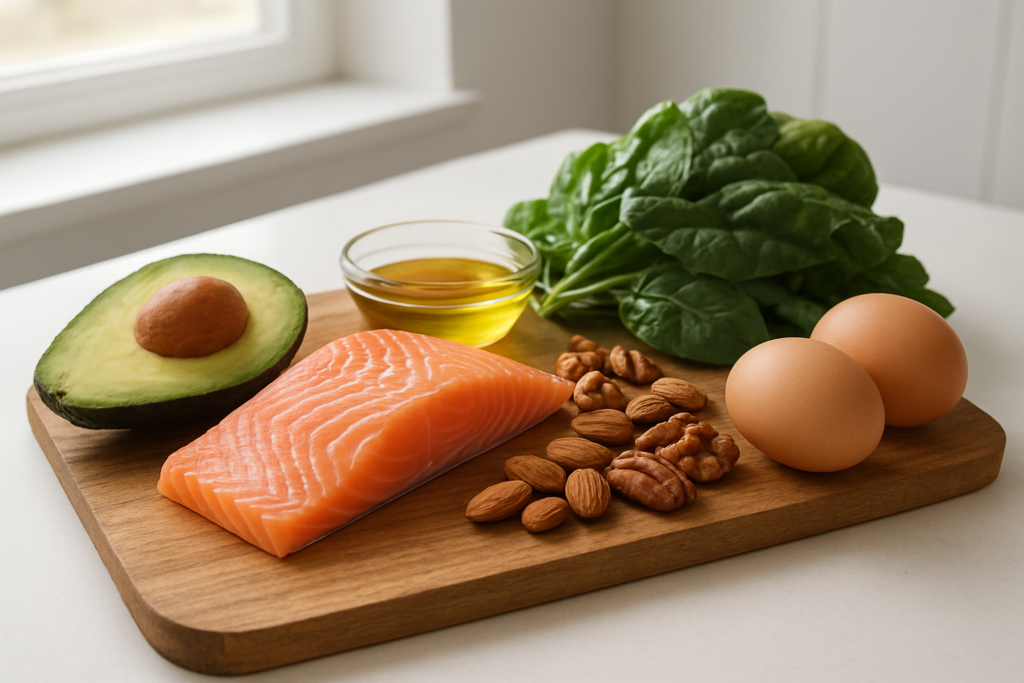
Your success with a high fat diet for weight loss hinges on choosing the right foods. Start with avocados, which deliver healthy monounsaturated fats and fiber that keeps you satisfied. Grass-fed butter and ghee provide essential fat-soluble vitamins while supporting your body’s shift to fat-burning mode.
Animal fats should form the cornerstone of your approach. Wild-caught salmon, sardines, and mackerel offer omega-3 fatty acids that reduce inflammation compared to processed seed oils. Pasture-raised eggs give you complete proteins alongside beneficial fats. Choose fatty cuts of grass-fed beef, and lamb over lean meats.
Nuts and seeds make excellent snacks, but stick to raw varieties. Macadamia nuts, walnuts, and pecans contain the best fat profiles. Hemp seeds and flaxseeds add variety while supporting your omega-3 intake.
Medium-chain triglycerides (MCTs) deserve special attention. C8 MCT oil specifically helps clear brain fog while providing quick energy for your transition period. Start with one teaspoon daily and gradually increase to avoid digestive upset.
Don’t forget about olives, olive oil, and coconut products. These whole food sources deliver stable fats that won’t cause inflammation like industrial seed oils. Your clean keto food list should emphasize these natural options over processed alternatives.
Smart Snacks
Choose simple ingredients that support metabolic stability:
- Grass-fed meat sticks
- Cheese crisps
- Nuts
These align with a clean keto food list 2026 philosophy.
The Modern Meal Kit
Convenience no longer means carbs.
Meal services now offer tailored keto menus, making adherence easier for busy lifestyles.
This removes one of the biggest barriers to adoption: time. Factor Meals or Green Chef have specialized 2026 keto menus for those without time to cook.
LMNT Electrolyte Mix: Because high-fat diets cause your body to flush water and salt, this 1,000mg sodium mix is widely considered a “non-negotiable” in 2026 to prevent the “Keto Flu.“
Conclusion: Making it Sustainable
Progress, Not Perfection
The goal isn’t rigidity.
Try the 90/10 rule:
- 90% whole foods
- 10% flexibility
Consistency beats extremism.
The Long Game
This isn’t about rapid transformation.
It’s about:
- Metabolic health
- Hormonal balance
- Sustainable energy
A high fat diet for weight loss 2026 represents a paradigm shift, from restriction to strategy.
Now I’d love to hear from you.
What’s your biggest “fat fear” – calories, cholesterol, or weight gain?
Drop it in the comments and let’s talk about it.
Which ‘healthy fat’ are you most excited to add back to your plate? Whether it’s the return of grass-fed butter or finally trying beef tallow, let me know in the comment section.
Frequently Asked Questions About How a High Fat Diet Helps with Weight Loss
Is a high fat diet effective for weight loss in 2026?
A high fat approach can support satiety and energy stability when focused on whole foods and balanced nutrition strategies.
What foods are included in a clean keto food list 2026?
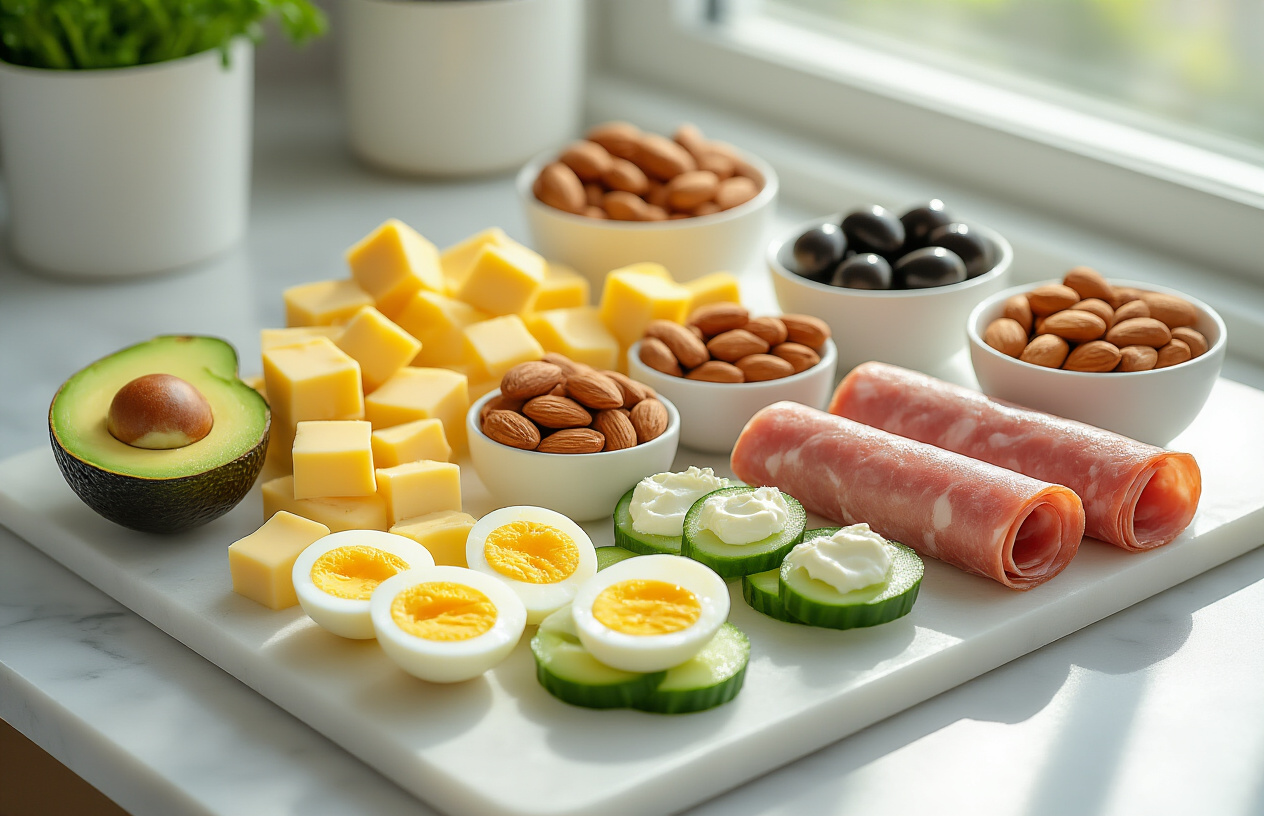
Typical choices include avocados, olives, eggs, quality proteins, nuts, seeds, and fiber-rich vegetables while limiting ultra-processed snacks.
How does metabolic eating differ from calorie counting?
Metabolic eating emphasizes hormonal signaling and food quality rather than strict calorie tracking alone
Can healthy fats improve energy levels?
Balanced meals containing fats may help sustain energy levels and reduce fluctuations caused by high sugar intake.
How do beginners start high fat low carb safely?
Gradual changes, hydration, and attention to electrolyte balance can ease dietary transitions.
Are seed oils worse than animal fats for inflammation?
Different fats have varying nutritional profiles, and many approaches encourage minimally processed sources.
What are the benefits of C8 MCT oil for brain fog?
C8 MCT converts rapidly into ketones, offering an alternative energy source that some people find supports mental clarity.
What is the first step to starting a high fat diet?
Begin by replacing refined carbohydrates with whole-food fat sources like avocados, eggs, and olive oil while increasing vegetable intake.
Check out these related posts: