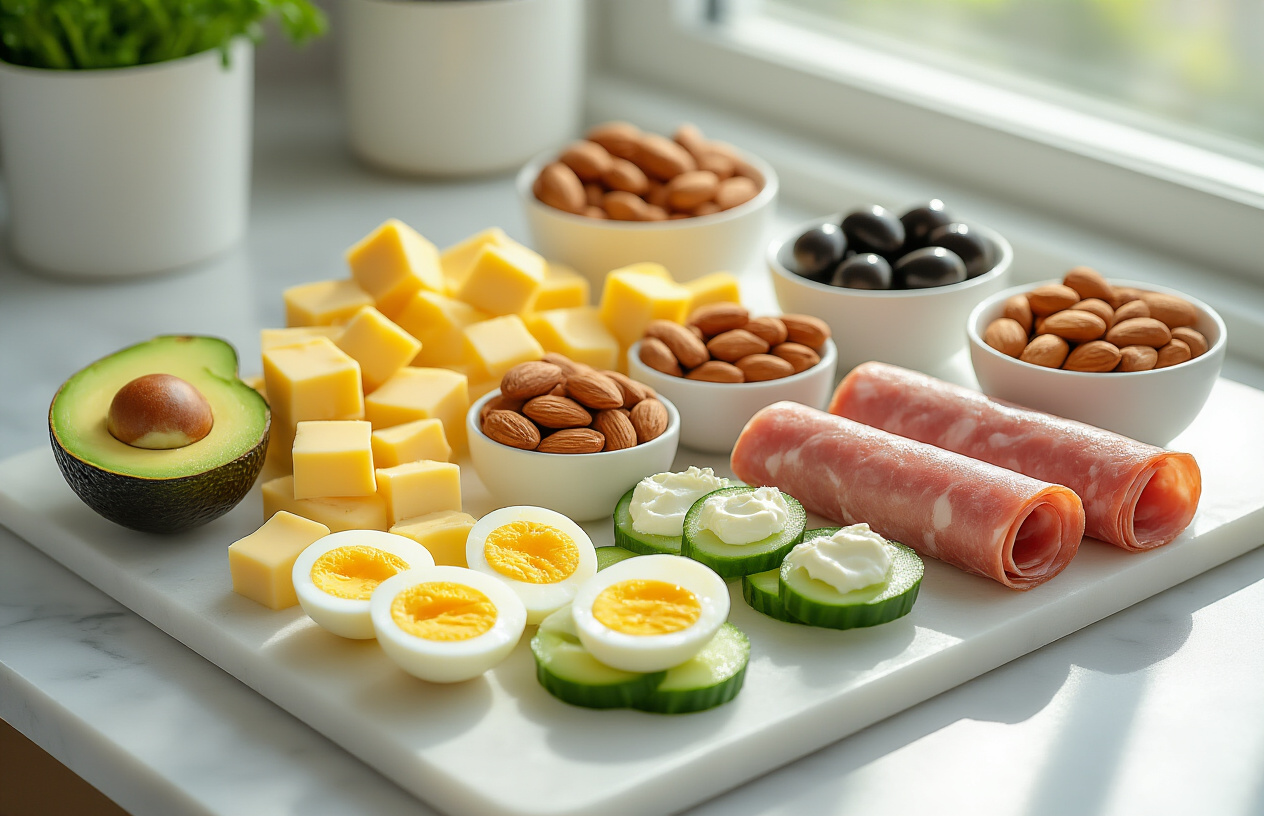

If you’re dealing with insulin resistance and wondering whether keto vs low carb is the better choice, you’re not alone. Millions of people struggle with stubborn weight, energy crashes, and blood sugar spikes that make traditional dieting feel impossible.
This post may contain affiliate links, I may earn a small commission at no extra cost to you
This guide is for you if you’ve been diagnosed with insulin resistance, prediabetes, or PCOS, or if you simply can’t seem to lose weight despite cutting calories. Maybe you’ve tried low-fat diets without success, or you’re confused about which carb-cutting approach actually works.
I’ll break down exactly how insulin resistance affects your weight and energy levels, then compare how keto and low carb diets target this root cause differently. You’ll discover what the research says about improving insulin receptor sensitivity through each approach, plus learn practical strategies like metabolic flexibility training and hormonal keto cycling that can maximize your results.
By the end, you’ll know which diet matches your lifestyle and goals, so you can finally stop spinning your wheels and start seeing real progress.
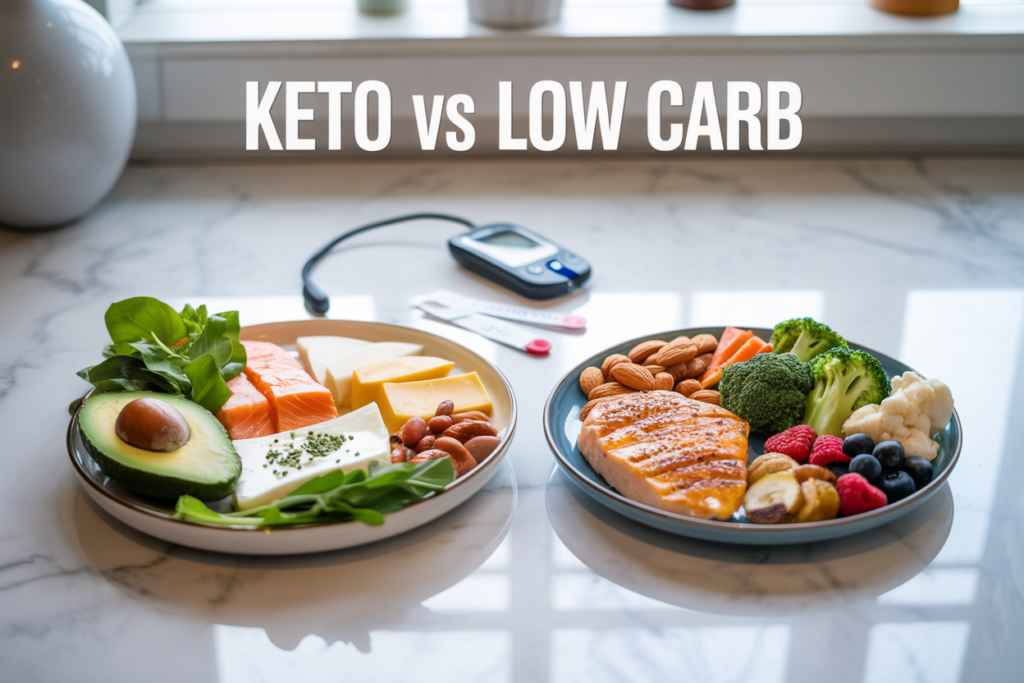
Introduction: Why the “Macros Only” Era Is Over
If you’ve been told to “just cut carbs” to fix your insulin resistance, and you did but your energy, weight, or blood sugar still feel off… you’re not crazy.
You didn’t fail the diet.
The diet failed to understand your biology.
Here’s the truth most nutrition advice still misses: your body is not a calculator—it’s a chemistry lab. Calories and macros matter, yes, but hormones, enzymes, stress, sleep, minerals, and muscle mass matter more—especially when insulin resistance is in the picture.
That’s why the old keto vs. low carb debate is outdated.
In 2026, the conversation has shifted toward a more powerful concept:
Metabolic Flexibility: your body’s ability to efficiently switch between burning fat and glucose depending on what it needs.
This post breaks down:
- When strict keto is the fastest metabolic reset
- When low carb becomes the sustainable long-term solution
- Why chasing ketone numbers is no longer the goal
- And how to use both strategies to heal insulin resistance for good
1. The Keto Edge: The Metabolic Reset
When Strict Keto Wins
Ketogenic dieting defined here as under 30g of carbs per day is not a lifestyle. It’s a therapeutic intervention.
Think of keto as a hard reboot for a system that’s been overloaded for years.
When insulin resistance is severe, such as in:
- Type 2 diabetes
- PCOS
- Long-term obesity
- Metabolic syndrome
The pancreas and insulin receptors are essentially exhausted.
When you drastically reduce your carbohydrate intake to under 30-50 grams daily, your body enters a metabolic state called ketosis. This shift completely changes how your cells produce energy. Instead of relying on glucose from carbs, your liver begins breaking down stored fat into molecules called ketones.
Your brain, which typically demands about 120 grams of glucose daily, adapts to use these ketones for fuel. This metabolic flexibility is crucial for reversing insulin resistance because it gives your overworked insulin receptors a much-needed break. When you’re constantly eating carbs, your pancreas pumps out insulin repeatedly, leading to cellular resistance over time.
In ketosis, your insulin levels drop significantly since you’re not triggering constant glucose spikes. This allows your insulin receptor sensitivity to gradually improve. Your muscle cells, which may have become resistant to insulin’s signals, start responding better when they’re primarily burning fat for fuel.
The process typically takes 3-7 days of strict carb restriction. During this adaptation period, your body depletes glycogen stores and shifts enzyme production to favor fat metabolism. You’ll know you’re in ketosis when you can measure ketones in your blood (0.5-3.0 mmol/L) or notice symptoms like decreased appetite and increased mental clarity.
Specific macronutrient ratios that optimize insulin sensitivity
Your macronutrient breakdown on keto should follow strict guidelines to maximize insulin sensitivity improvements. Aim for 70-75% of calories from healthy fats, 20-25% from protein, and just 5-10% from carbohydrates.
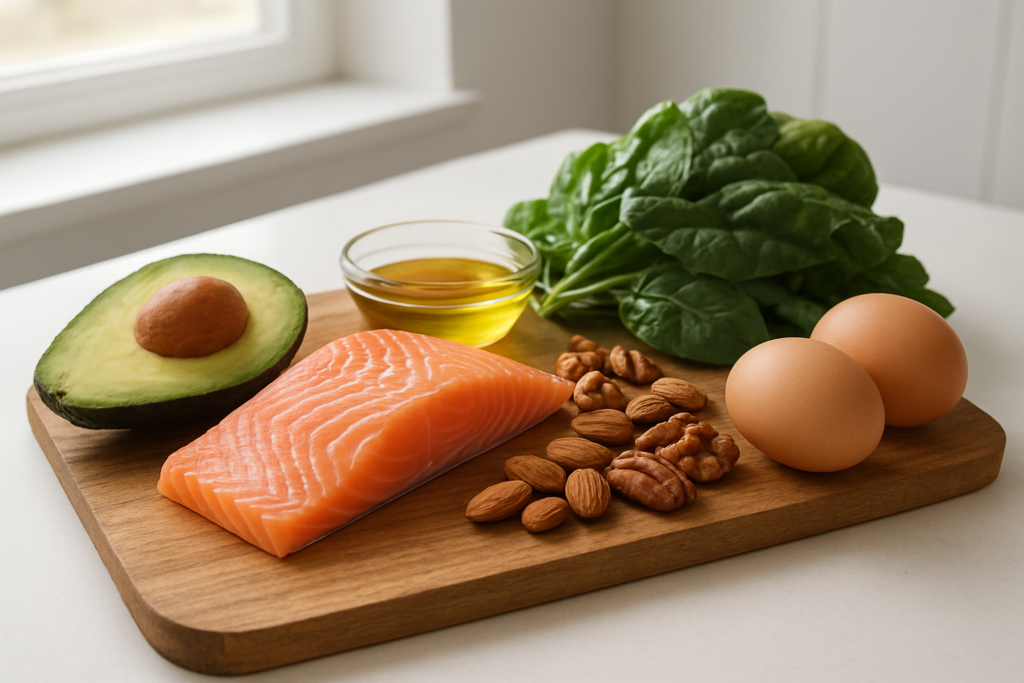
Fat Sources for Insulin Sensitivity:
- Avocados and olive oil (rich in oleic acid)
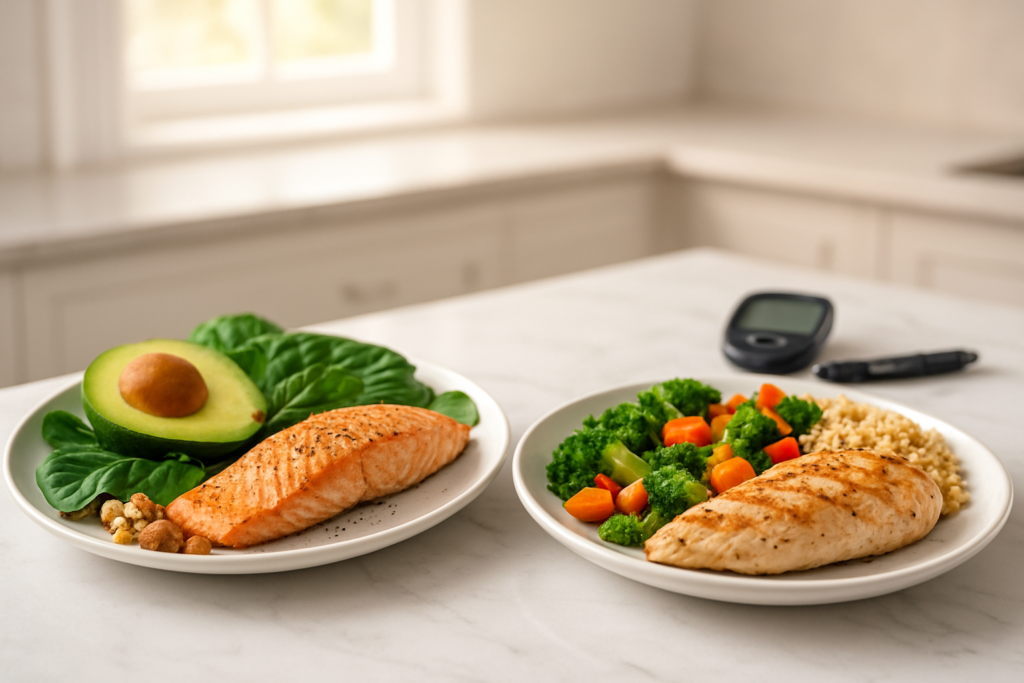
- Fatty fish like salmon (omega-3 fatty acids)
- Nuts and seeds (magnesium and healthy fats)
- MCT oil (rapidly converted to ketones)
Protein Guidelines:
Your protein intake should be moderate – about 0.6-1.2 grams per pound of lean body mass. Too much protein can trigger gluconeogenesis, where your liver converts amino acids into glucose, potentially disrupting ketosis and raising insulin levels.
Carbohydrate Strategy:
Keep net carbs (total carbs minus fiber) under 20 grams daily during the initial adaptation phase. Focus on leafy greens, cruciferous vegetables, and low-glycemic options that won’t spike your blood sugar.
| Macronutrient | Percentage | Daily Amount (2000 cal diet) |
|---|---|---|
| Fat | 70-75% | 155-167g |
| Protein | 20-25% | 100-125g |
| Carbs | 5-10% | 25-50g |
Some people benefit from hormonal keto cycling, where they slightly increase carbs around workouts or during certain menstrual cycle phases to optimize hormone production while maintaining overall ketosis.
The Science: Why Keto Works So Fast
By drastically lowering carbohydrate intake, keto:
- Keeps insulin at a consistently low baseline
- Reduces glucose variability
- Lowers inflammatory signaling
- Forces the body to rely on fat and ketones for fuel
This gives insulin receptors the “quiet time” they need to regain sensitivity.
In simple terms:
Less insulin noise = better insulin receptor sensitivity.
2026 Research Insight
By 2026, multiple metabolic studies and clinical protocols now agree:
A 12–16 week period of strict keto is the fastest dietary way to down-regulate inflammation and fasting insulin in people with advanced insulin resistance.
This is why keto is still used therapeutically for:
- Epilepsy
- Neurodegenerative diseases
- Severe metabolic dysfunction
The Catch: Physiological Insulin Resistance
Here’s the part keto influencers rarely talk about.
When someone stays strict keto indefinitely, the body adapts by:
- Reducing glucose transporters
- Prioritizing fat oxidation
- Becoming less efficient at handling carbs
This is called physiological insulin resistance—and it’s not pathological, but it does mean that reintroducing carbs later can feel awful if done incorrectly.
That’s why keto is not the finish line.
It’s the reset button.
2. The Low Carb Advantage: The Sustainability King
What “Low Carb” Actually Means in 2026
Low carb is no longer a vague concept.
In current research and practice, low carb = 50–120g of carbs per day, adjusted for:
- Activity level
- Muscle mass
- Hormonal status
- Stress load
This approach supports insulin control without locking the body into permanent ketosis.
Flexible carb limits that still improve insulin function
Your carb tolerance on a low carb diet typically ranges from 50-150 grams per day, giving you significantly more flexibility than the strict 20-50 grams required for ketosis. This wider range allows you to customize your approach based on your activity level, stress, and individual insulin sensitivity. When comparing keto vs low carb approaches, you’ll find that this flexibility often translates to better long-term adherence.
You can strategically time your carbs around workouts to enhance metabolic flexibility while still maintaining improved insulin function. Your body learns to efficiently switch between burning glucose and fat, which supports better insulin receptor sensitivity over time. This approach works particularly well if you’re dealing with moderate insulin resistance rather than severe metabolic dysfunction.
The beauty lies in your ability to include nutrient-dense carbs like berries, sweet potatoes, and quinoa while still seeing improvements in your blood sugar control. You don’t need to eliminate entire food groups, making social situations and family meals much more manageable.
Food choices that support steady blood sugar levels
Your protein intake becomes the anchor of each meal, helping stabilize blood sugar throughout the day. Focus on high-quality sources like wild-caught fish, grass-fed beef, free-range poultry, and plant-based options like hemp seeds and legumes. Aim for 25-35 grams of protein per meal to maximize satiety and minimize glucose spikes.
Your vegetable choices should emphasize non-starchy options that provide fiber without significantly impacting blood sugar:
- Leafy greens: Spinach, kale, arugula, Swiss chard
- Cruciferous vegetables: Broccoli, cauliflower, Brussels sprouts, cabbage
- Low-carb vegetables: Zucchini, bell peppers, asparagus, cucumber
When you do include carbs, prioritize those with a lower glycemic impact. Berries offer antioxidants with minimal blood sugar disruption, while steel-cut oats provide sustained energy without the rapid glucose spike of processed grains.
Your fat sources should come from whole foods that support hormone production and satiety. Avocados, nuts, seeds, olive oil, and fatty fish provide essential nutrients while helping slow carb absorption and extending your feeling of fullness between meals.
The Science: Fiber, Phytonutrients, and Hormones
Low carb allows room for:
- More vegetables
- More prebiotic fiber
- More phytonutrients that support gut health
This improves:
- Post-prandial glucose response
- Microbiome diversity
- Hormonal signaling (especially cortisol and thyroid hormones)
Unlike strict keto, low carb doesn’t require constant “fiber maxing” just to keep digestion moving.
The Muscle Connection (This Is Huge in 2026)
One of the biggest metabolic shifts in recent research is the recognition of muscle as our primary glucose sink.
Muscle tissue:
- Pulls glucose out of the bloodstream
- Improves insulin receptor sensitivity
- Acts as a metabolic buffer after meals
Low carb makes it easier to:
- Fuel resistance training
- Recover from workouts
- Build lean mass
And building muscle is one of the only proven long-term ways to reverse insulin resistance.
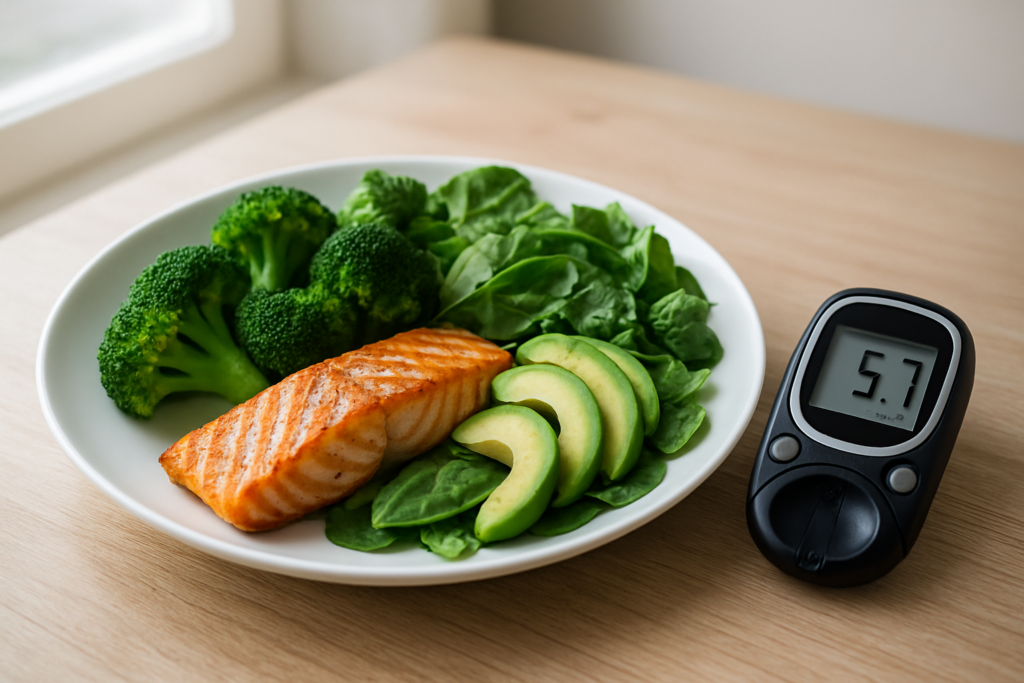
3. Keto vs. Low Carb: Side-by-Side Comparison
| Feature | Ketogenic (Strict) | Low Carb (Flexible) |
|---|---|---|
| Carb Intake | <30g/day | 50–120g/day |
| Primary Goal | Deep ketosis & fat adaptation | Blood sugar stability |
| Best For | Severe insulin resistance, epilepsy, PCOS | Long-term maintenance, athletes |
| Insulin Effect | Rapidly lowers fasting insulin | Prevents large insulin spikes |
| Fiber Variety | Limited | Broader |
| 2026 Verdict | Therapeutic tool (3–6 months) | Lifestyle foundation |
4. 3 Bio-Hacks That Work for Both
This is where most plans fail—they tell you what to eat, but not how to support your hormones while doing it.
Here are my three non-negotiables.
1. The Glucose Vacuum
After any meal, keto or low carb, walk for 10 minutes.
This activates muscle contractions that pull glucose directly into muscle cells without insulin.
This process is known as glucose vacuuming.
2. Protein First
Always eat protein before carbs.
Protein:
- Slows gastric emptying
- Stimulates satiety hormones
- Blunts post-prandial glucose response
Even on low carb days, this one habit dramatically improves insulin control.
3. Mineral Support
Start your morning with salted water or DIY electrolytes.
Why?
- Sodium calms the adrenals
- Stable cortisol = stable insulin
- Low sodium = high stress hormones
Cortisol is the silent saboteur of insulin sensitivity.
5. The Real 2026 Answer: Hormonal Keto Cycling
The debate isn’t keto or low carb.
It’s when to use each.
Hormonal keto cycling works brilliantly for people who hit plateaus with either approach alone. You might do strict keto Monday through Friday, then add healthy carbs on weekends to reset your hormones and prevent metabolic slowdown. This approach maintains metabolic flexibility while targeting insulin resistance.
Your response to each approach changes over time. You might start with low carb for easier compliance, then transition to keto once your insulin sensitivity improves and cravings subside. Some people do the opposite – using keto to break food addictions quickly, then moving to sustainable low carb maintenance.
Seasonal adjustments make sense for long-term success. Strict keto during winter months when social eating decreases, then relaxed low carb during summer barbecue season. This prevents the all-or-nothing mindset that destroys long-term progress.
Listen to your biomarkers rather than following rigid rules. If your fasting glucose stays stable and energy remains high, you have room to experiment with finding your personal carb tolerance while maintaining insulin sensitivity improvements.
How low carb differs from keto in insulin resistance treatment
Your approach with low carb eating focuses on improving insulin sensitivity gradually rather than forcing your body into ketosis. While keto demands strict carb restriction to maintain ketone production, low carb allows you to work within your body’s current metabolic state while slowly enhancing its efficiency.
The metabolic pathways differ significantly between these approaches. On keto, you’re primarily training your body to run on ketones, which can be beneficial but requires a more dramatic shift. With low carb, you’re enhancing your body’s natural ability to handle glucose while reducing the overall load on your insulin system.
Hormonal keto cycling represents a middle ground where you might incorporate periodic keto phases within a generally low carb framework. This strategy can help reset insulin sensitivity while maintaining the flexibility that makes long-term adherence possible.
Your cortisol response may also differ between approaches. Some people find strict keto increases stress hormones, especially if they’re already dealing with adrenal fatigue or high life stress. Low carb often provides insulin benefits without triggering the same stress response.
How to choose between keto and low carb based on your lifestyle
Your daily routine plays a huge role in determining which approach will stick. If you’re constantly traveling for work or eating out frequently, a standard low carb diet offers more flexibility than strict keto. You can grab a salad with grilled chicken almost anywhere, but finding truly keto-friendly options becomes a real challenge when you’re not in control of your kitchen.
Consider your exercise habits too. Athletes and people who do high-intensity workouts often struggle with pure keto because their muscles crave glucose for peak performance. A cyclical low carb approach or hormonal keto cycling might work better, allowing you to fuel your workouts while maintaining insulin receptor sensitivity.
Your stress levels and sleep quality matter more than you think. High-stress jobs combined with poor sleep can make strict keto feel overwhelming. Your cortisol levels will fight against ketosis, making the transition brutal. Low carb gives you breathing room to adapt gradually while still improving your metabolic health.
Family dynamics can make or break your success. If you’re cooking for a household that won’t eat keto-friendly meals, preparing separate dishes becomes exhausting. Low carb allows you to modify family meals more easily – just skip the rice or potatoes while everyone else enjoys them.
The Modern Strategy
- 90-Day Keto Reset
- Heal insulin receptors
- Lower inflammation
- Restore metabolic signaling
- Transition to Low Carb Lifestyle
- Increase carbs strategically
- Support workouts and hormones
- Maintain metabolic flexibility
- Targeted Keto When Needed
- Around workouts
- During high-stress periods
- During certain phases of the menstrual cycle
This approach is called hormonal keto cycling—and it’s where metabolic health is headed.
Conclusion: Stop Chasing Ketones—Start Chasing How You Feel
The truth is simple:
Keto gets you to the finish line faster.
Low carb keeps you there.
If your fasting insulin is high, keto can be a powerful reset.
But long-term health comes from flexibility, muscle, minerals, and hormones—not permanent restriction.
So stop chasing a number on a ketone strip.
Start chasing:
- Stable energy
- Clear hunger signals
- Calm digestion
- Strong workouts
- And a metabolism that works with you
Managing insulin resistance doesn’t have to be an uphill battle when you understand your options. Both keto and low-carb diets offer proven pathways to better insulin sensitivity, with the science backing their effectiveness in different ways. Keto provides rapid ketosis benefits and aggressive carb restriction, while low-carb approaches give you more flexibility and sustainability for long-term success. Your choice really comes down to your lifestyle, food preferences, and how your body responds to each approach.
The most important step you can take right now is to start somewhere. Pick the approach that feels more manageable for your current situation, you can always adjust as you learn what works best for your body. Track your blood sugar levels, monitor how you feel, and remember that consistency beats perfection every time. Your insulin resistance didn’t develop overnight, and reversing it will take patience and commitment, but the right dietary approach can absolutely transform your metabolic health and overall well-being.
Related Posts
- Fiber-Maxing Meal Prep for Gut Health
- Keto Gut Health
- Fiber Maxxing on Keto
- Insulin Resistance Explained
- Keto Mistakes that stop weight loss
- Keto for Beginners
- How a High Fat Diet Helps with Weight Loss
- The Importance of Electrolytes During Fasting
- Keto or Carnivore: Which Diet is Right for You
- 25 Easy Low Carb Recipes for Bust Weeknights
Subscribe: The Keto Staples Newsletter for weekly metabolic hacks