

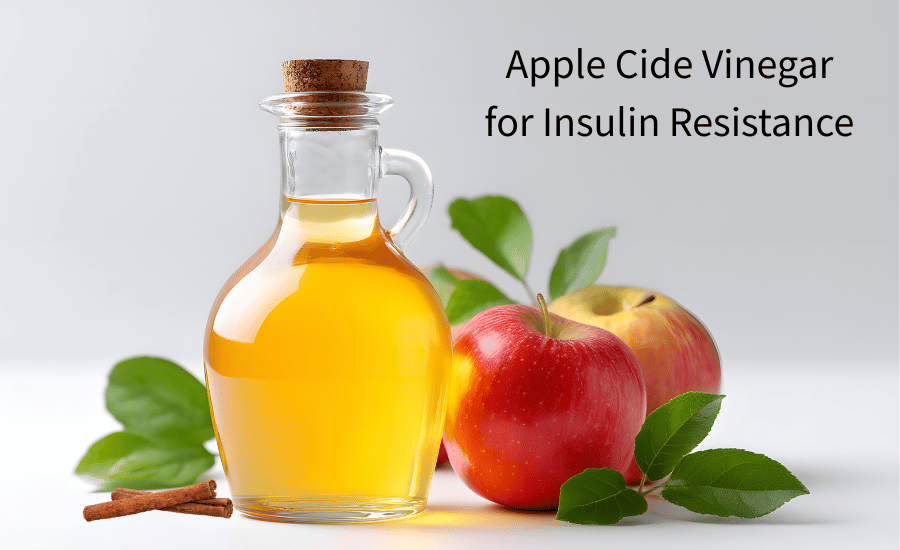
It’s Not Magic, It’s Chemistry
If you’ve seen people drinking ACV before a meal and thought it was just another wellness trend, you’re missing out on one of the most powerful metabolic tools hiding in your kitchen. Apple cider vinegar for insulin resistance.
This post may contain affiliate links, and I may earn a small commission at no extra cost to you.
Apple cider vinegar isn’t about detoxes, weight-loss teas, or starving yourself. And it’s definitely not about suffering through something unpleasant “just because.”
What I am talking about here is glycemic variability, how high and how fast your blood sugar spikes after eating, and why that matters especially if you’re insulin resistant or doing keto for metabolic healing.
If you’ve ever:
- Eaten “low carb” but still felt tired or bloated
- Had stubborn weight that refuses to budge
- Felt like keto works… but not as well as it should
Then this post is for you.
This guide is designed for keto dieters who want to take their metabolic health to the next level. Whether you’re a keto newbie struggling with insulin sensitivity or a seasoned low-carb veteran looking to optimize your results, you’ll discover exactly how to take ACV for weight loss and glucose management.
I’ll break down the science behind acetic metabolism and how it transforms your body’s insulin response. You’ll also learn optimal dosing strategies that maximize benefits while minimizing side effects, plus advanced implementation techniques that savvy keto dieters use to accelerate their progress.
Apple cider vinegar (ACV) isn’t a cure. But when used strategically, it can act like an insulin buffer—making your keto diet significantly more effective with almost zero effort.
Ready to turn apple cider vinegar into your secret weapon against insulin resistance? Let’s get started.
The Science: How Acetic Acid Works
The magic behind apple cider vinegar isn’t mystical—it’s biochemical. ACV’s active compound, acetic acid, directly affects how your body processes carbohydrates and glucose.
Here are the three mechanisms that make ACV one of the most underrated tools for insulin resistance.
Mechanism A: Slowing Gastric Emptying
When you drink apple cider vinegar before a meal, it slows how quickly food leaves your stomach and enters the small intestine.
Why does this matter?
Because the speed at which glucose enters your bloodstream determines how hard your pancreas has to work.
Even keto-friendly foods like vegetables, nuts, or berries, still contain carbs. When they hit your bloodstream too quickly, insulin spikes. ACV slows this process, allowing glucose to trickle in instead of flood in.
Think of it like traffic control:
- No ACV = rush hour
- With ACV = steady flow
This is especially powerful for insulin resistant individuals whose bodies already struggle with glucose regulation.
Mechanism B: The Alpha-Amylase Inhibition
The primary “magic” behind Apple Cider Vinegar isn’t magic at all, it’s biochemistry. The active component in ACV is Acetic Acid. When you consume this before a meal, it interferes with the way your body breaks down carbohydrates.
Normally, when you eat, your pancreas and salivary glands secrete an enzyme called Alpha-Amylase. This enzyme acts like a pair of molecular scissors, snipping long chains of starches into simple glucose (sugar) that your bloodstream can absorb.
Acetic acid temporarily reduces the activity of Alpha-Amylase, meaning fewer carbs are converted into blood sugar in the first place.
This is why drinking ACV before meals works better than taking it after. It acts early, before digestion fully ramps up.
This is also why ACV pairs so well with:
- Keto veggies
- Fiber-rich meals
- “Carb-heavier” keto days
You’re not eliminating carbs, you’re managing their impact.
Here is the “Buffer” effect:
- Enzyme Interference: Acetic acid has been shown to temporarily deactivate or slow down the activity of alpha-amylase.
- The Result: Because the “scissors” are blunt, the starches in your meal aren’t broken down as quickly. Instead of a massive flood of glucose entering your blood all at once, the sugar is released in a slow, manageable trickle.
- The Insulin Win: Because the blood sugar rise is smaller, your pancreas doesn’t need to pump out a massive surge of insulin to compensate. This keeps you in fat-burning mode even if your meal has a few more carbs than intended.
Note for Keto-ers: Even if you are eating “Low Carb,” you still get glucose spikes from vegetables, nuts, and dairy. Using ACV ensures that your insulin remains as flat as possible, protecting your state of ketosis.
Mechanism C: GLUT4 Activation (The Muscle Effect)
This is where ACV becomes a true insulin sensitivity keto hack.
GLUT4 transporters help move glucose from your bloodstream into your muscles, where it can be used for energy instead of stored as fat.
Acetic acid improves GLUT4 activation, essentially telling your muscles:
“Hey, soak this glucose up.”
Less glucose floating in your blood = less insulin required.
This is especially helpful if you:
- Lift weights
- Walk after meals
- Are reversing insulin resistance
Optimal Apple Cider Vinegar Dosing Strategies for Maximum Results
Your insulin resistance level determines how much apple cider vinegar for insulin resistance you’ll need to see meaningful results. Start with your baseline, if you’re just beginning to show signs of insulin resistance with occasional energy crashes and mild cravings, begin with 1 tablespoon (15ml) of ACV daily. This conservative approach lets your body adapt while still providing the acetic acid needed to improve insulin sensitivity.
For moderate insulin resistance, where you experience frequent glucose spikes, stubborn weight around your midsection, and regular afternoon energy slumps, increase to 2 tablespoons daily, split into two doses. Your body needs more acetic acid to effectively blunt those glucose responses and restore proper insulin function.
Severe insulin resistance requires a more aggressive approach. You’ll want to work up to 3 tablespoons daily, divided across three meals. This maximizes the glucose spike hack potential while supporting your keto journey. Always dilute your ACV in at least 8 ounces of water to protect your tooth enamel and digestive tract.
| Resistance Level | Daily ACV Amount | Frequency | Expected Timeline |
|---|---|---|---|
| Mild | 1 tablespoon | Once daily | 2-4 weeks |
| Moderate | 2 tablespoons | Twice daily | 4-6 weeks |
| Severe | 3 tablespoons | Three times daily | 6-8 weeks |
Monitor your blood glucose readings and how you feel after meals. If you’re seeing consistent improvements in your glucose response within two weeks, you’ve found your sweet spot.
The Timing
Drink it 10–20 minutes before your largest or carb-heaviest meal.
For most people, this is dinner.
You do not need to drink ACV before every meal to see benefits.
The Trick (Don’t Skip This)
- Use a straw to protect your tooth enamel
- Always choose raw, unfiltered ACV with “The Mother”
- Rinse your mouth with water afterward
This keeps it effective and sustainable.
Research-Backed Benefits for Insulin Sensitivity
Clinical studies consistently show that regular ACV consumption improves insulin sensitivity by 19-34% in people with insulin resistance. One landmark study found that participants who took 2 tablespoons of ACV before bedtime experienced a 4-6% reduction in fasting blood glucose the next morning.
Your body’s insulin sensitivity improvements become measurable within just two weeks of consistent ACV use. Research demonstrates that the acetic metabolism pathway activated by vinegar consumption continues working for hours after ingestion, providing sustained benefits beyond immediate glucose control.
The most compelling evidence comes from studies showing that ACV keto benefits extend beyond glucose management. Participants experienced improved insulin sensitivity that persisted even on rest days when they didn’t consume vinegar, suggesting long-term metabolic adaptations.
The ACV Quality Checklist
| Feature | What to Look For | Why it Matters |
| The “Mother” | Required | Contains the beneficial bacteria and enzymes. |
| Processing | Raw & Unfiltered | Heat pasteurization kills the active acetic acid cultures. |
| Container | Glass Bottle | Plastic can leach chemicals into the acidic vinegar over time. |
Why ACV + Fiber-Maxing Is a “Cheat Code”
Apple cider vinegar works from the top down—slowing digestion in the stomach.
Fiber works from the bottom up—slowing absorption in the intestines.
Together? They create a metabolic one-two punch.
Fiber:
- Feeds your gut microbiome
- Improves insulin sensitivity
- Reduces glucose spikes
ACV:
- Reduces enzyme activity
- Slows gastric emptying
- Improves glucose uptake
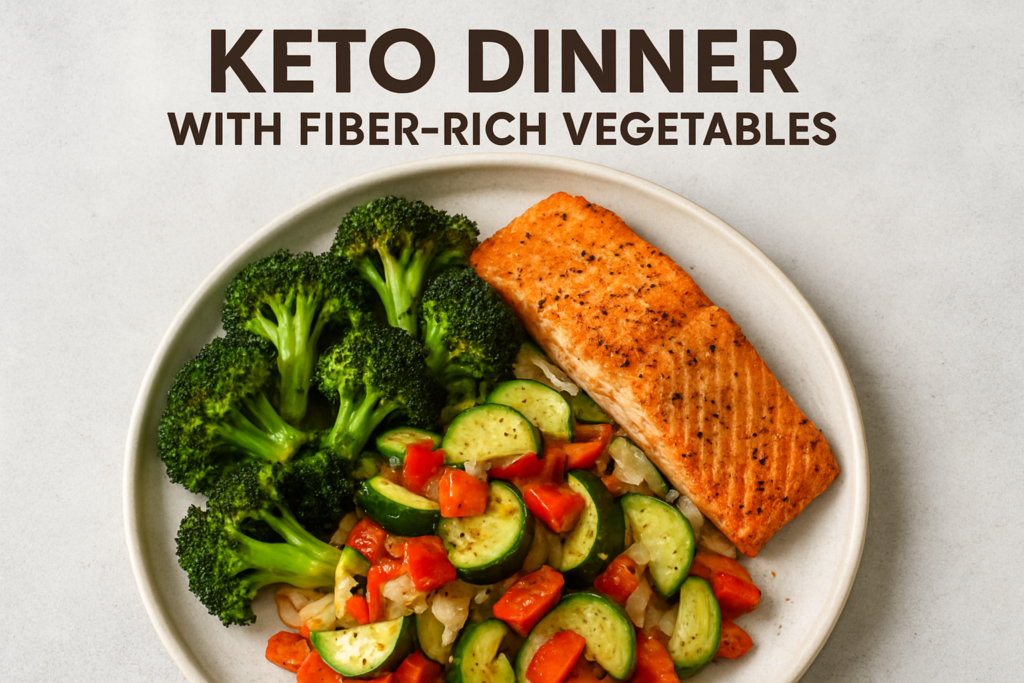
This is why I always recommend pairing ACV with fiber-rich keto meals.
Read the fiber-maxing meal prep for high fiber meal ideas.
FAQs: Vinegar Pills vs. Liquid?
This is one of the most common questions I get.
Are ACV Capsules Effective?
They’re better than nothing, but they’re not ideal.
Liquid ACV is superior for:
- Enzyme inhibition
- Gastric emptying effects
- Immediate glucose buffering
Capsules dissolve later, missing some of the stomach-level benefits.
That said, capsules are useful for:
- Travel
- Workdays
- People who truly can’t tolerate liquid vinegar
The Metabolic Buffer Kit
Organic ACV with The Mother (Liquid for home use).
ACV Gummies or Capsules (Essential for travelers!).
A Continuous Glucose Monitor (CGM)
Conclusion: A Tool, Not a Cure
Let’s be clear.
Apple cider vinegar will not fix a diet of pizza, soda, and stress.
But it will make a clean keto diet dramatically more effective, especially if you’re insulin resistant or metabolically inflexible.
Think of ACV as:
- A buffer
- A helper
- A metabolic amplifier
Used consistently, it can improve insulin sensitivity, reduce glucose spikes, and support long-term metabolic health without extreme restriction.
Related Posts
- Fiber maxing on keto
- Fiber maxing meal prep
- Keto gut health
- Master your keto metabolism with CGM
- DIY keto electrolyte drink
- The ultimate guide to keto constipation relief
- Insulin resistance explained
- 25 Easy Low Carb Recipes for Busy Weeknights
👉 Sign up for the Keto Staples Newsletter and get it delivered straight to your inbox.